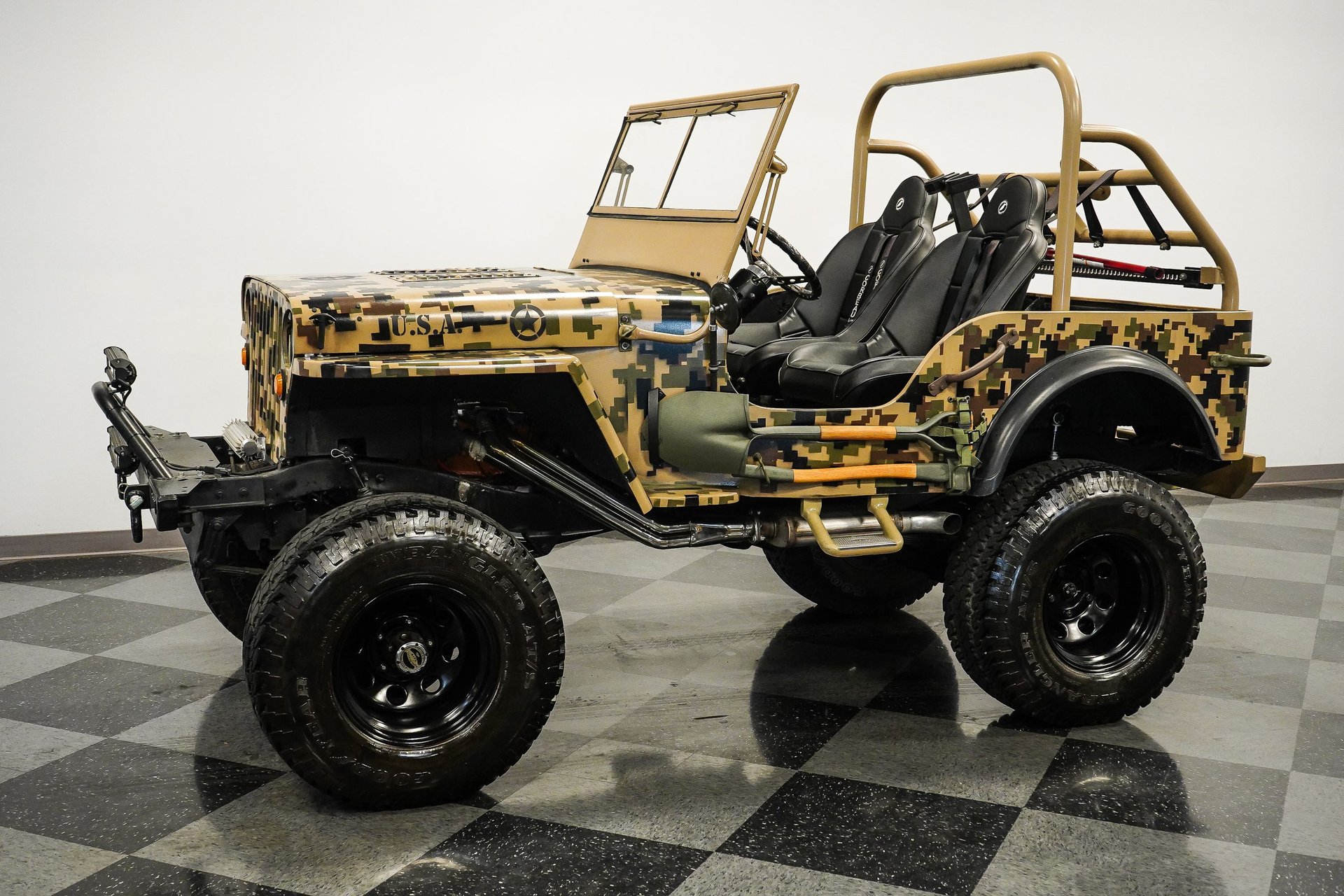
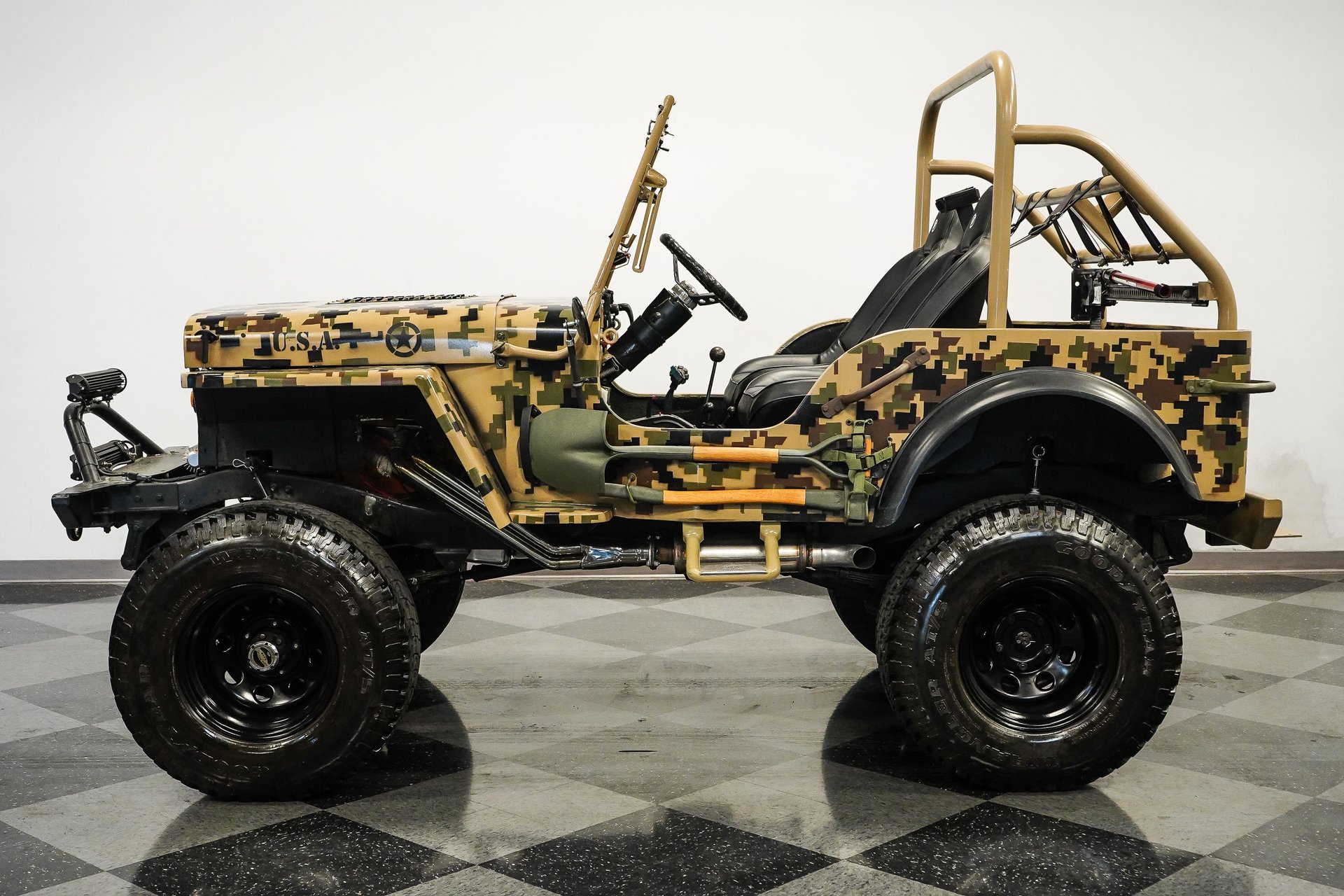
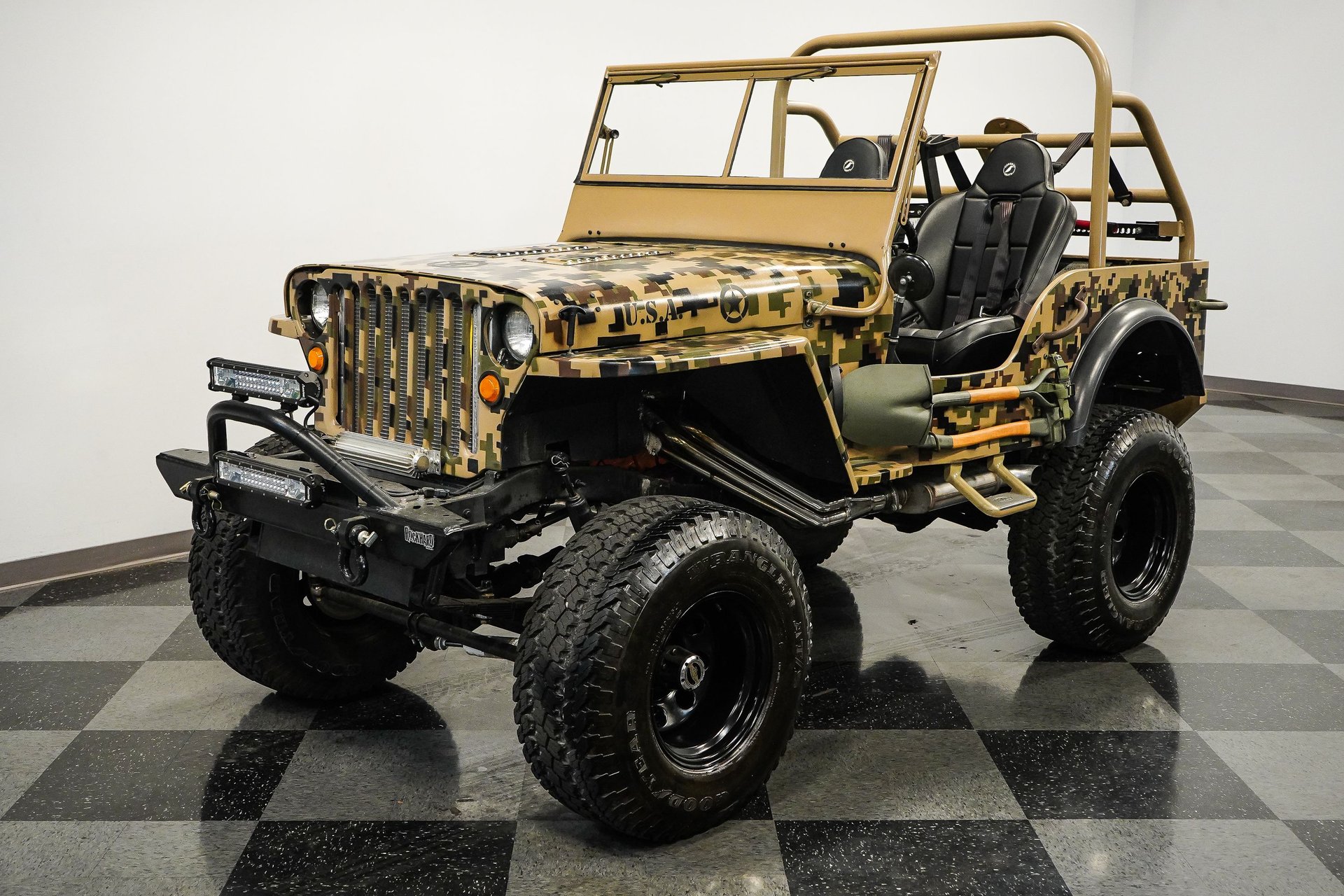
1943 Ford GPW Jeep
This Vehicle Has Sold
Shop a wide selection of rare, classic, and custom pickup trucks and 4×4s currently available on Fourbie.
Shop NowYear
1943Make
JeepModel
OtherOdometer
Upon RequestEngine
350 ci V8Fuel Type
gasolineTransmission
automaticDrivetrain
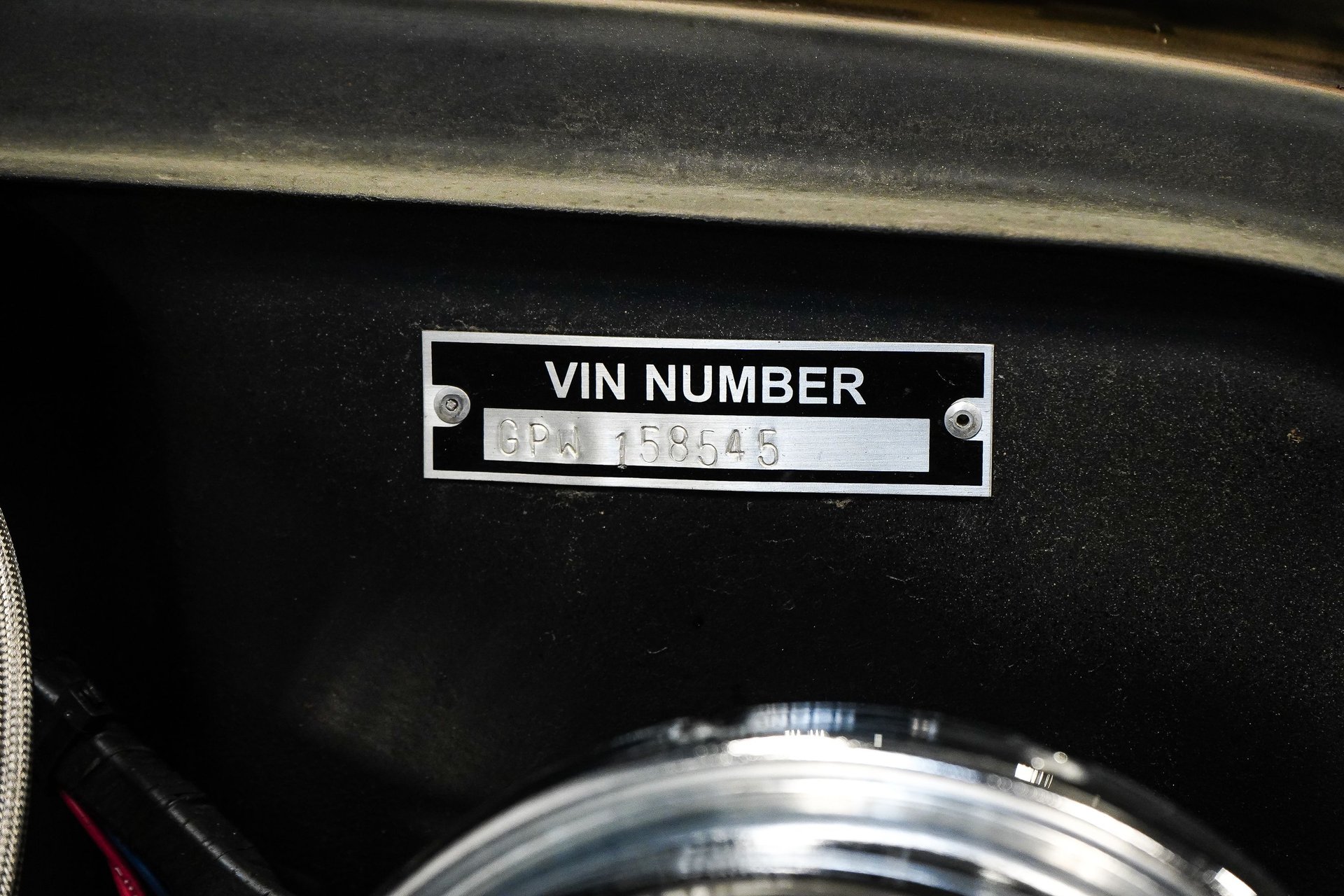
4×4VIN / Chassis #
Upon RequestSeller
Streetside ClassicsLocation
Mesa, AZTitle Status
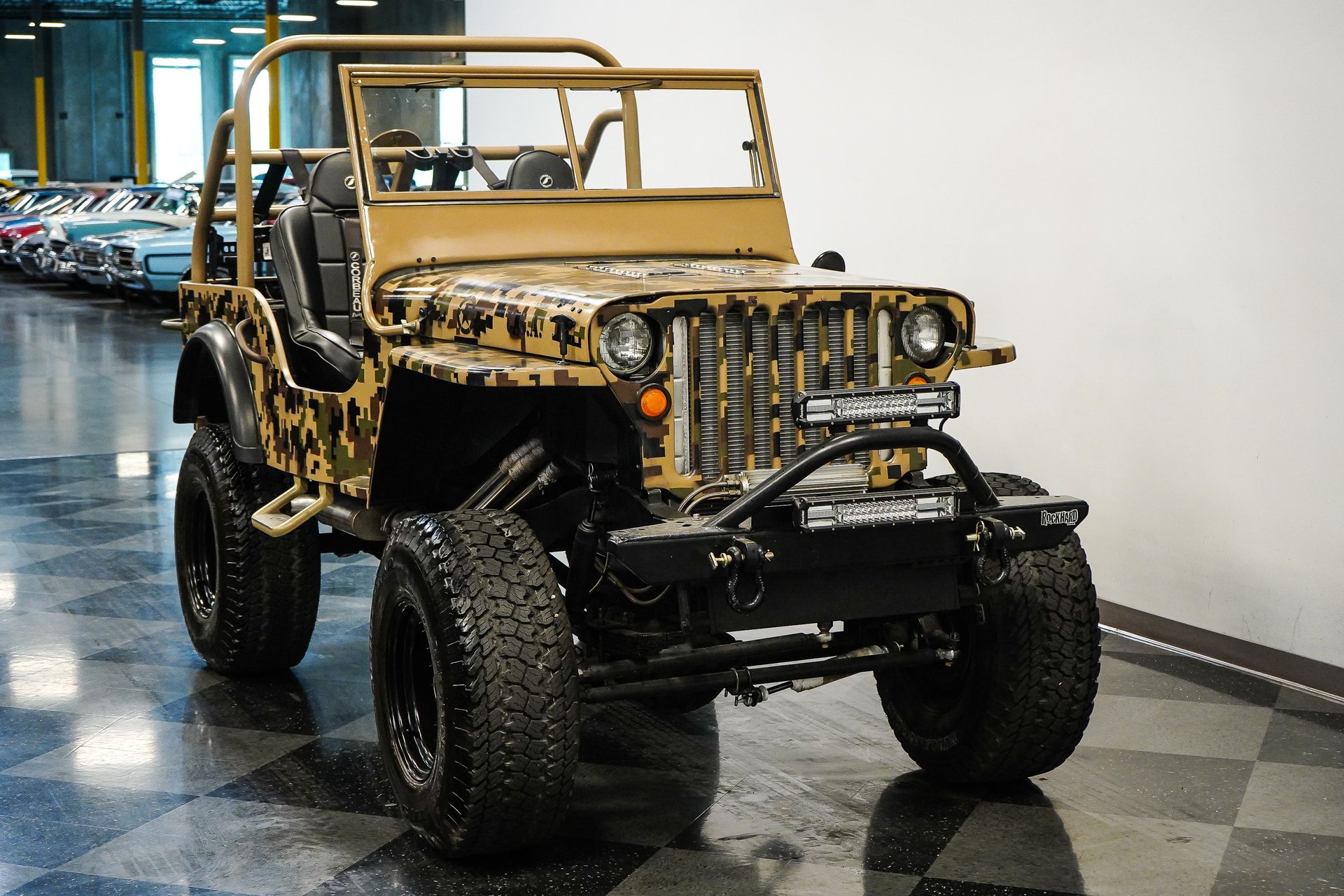
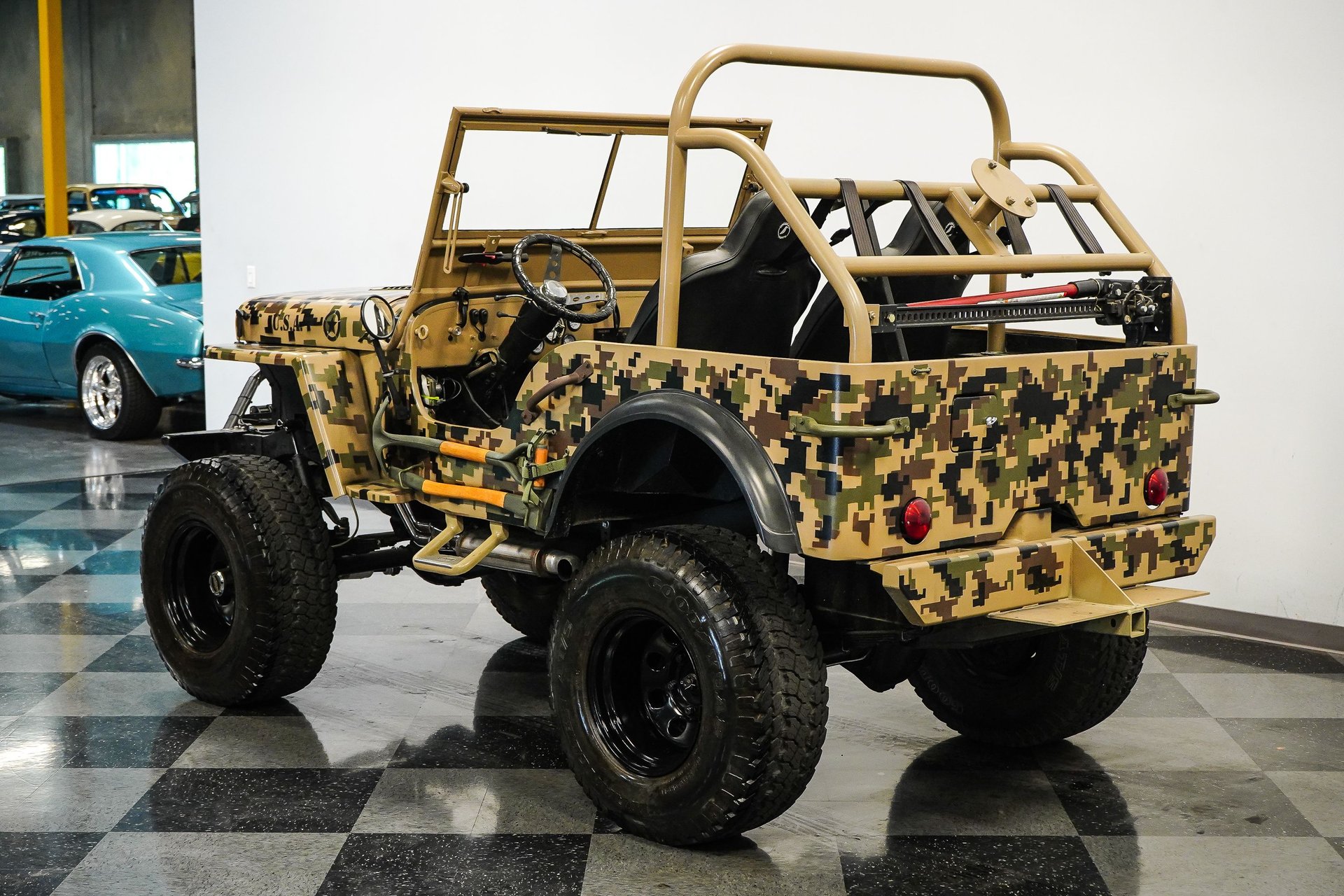
cleanThis jeep, with a lowercase “j,” has an incredible story. It begins in 1937 when the U.S. Army began searching for a replacement for its aging light-duty reconnaissance vehicles. When the Army finalized its requirements in 1940, they sent the proposal to 135 American manufacturers. Only three responded: American Bantam Car Company, Willys-Overland Motors, and Ford.
- G indicated a government contract,
- P referenced the 80-inch wheelbase reconnaissance vehicle,
- and W signified the Willys design the vehicle was based on.
- Engine serial numbers (Ford blocks begin with GPW rather than MB)
- Ford-script hardware and bolts marked with the distinctive “F” stamp
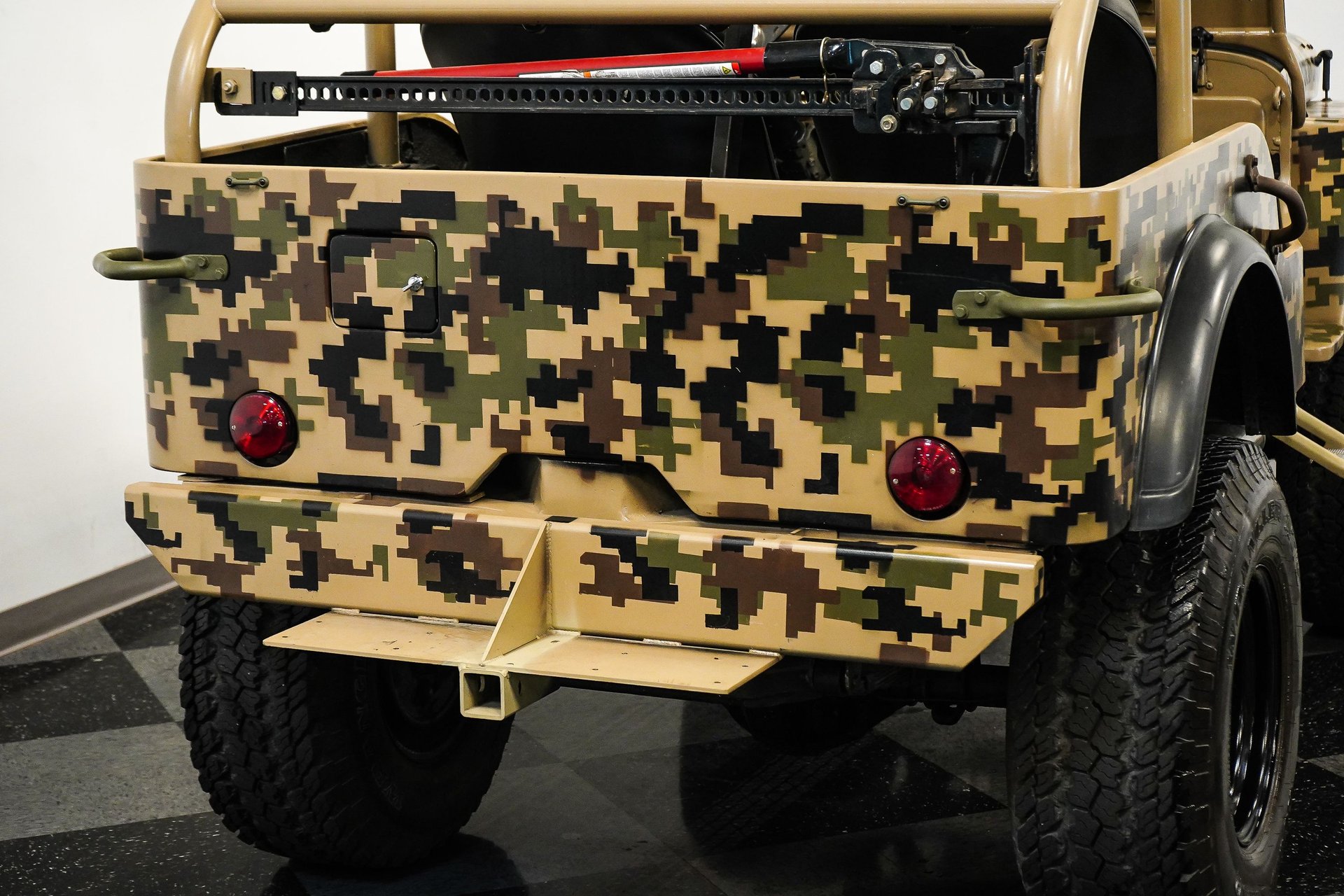
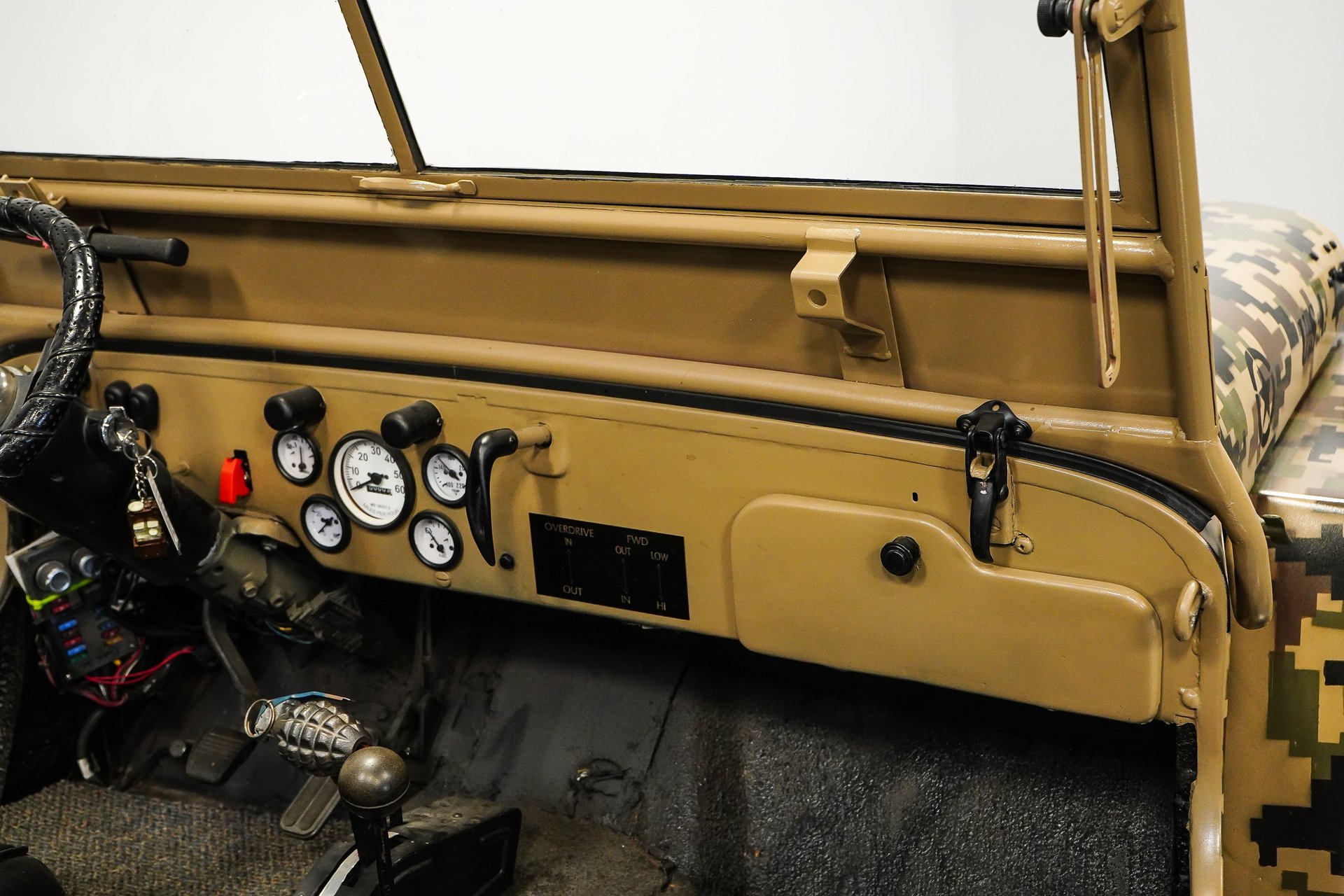
- Body differences, such as the square rear toolbox latch on GPW models versus the round latch on MBs
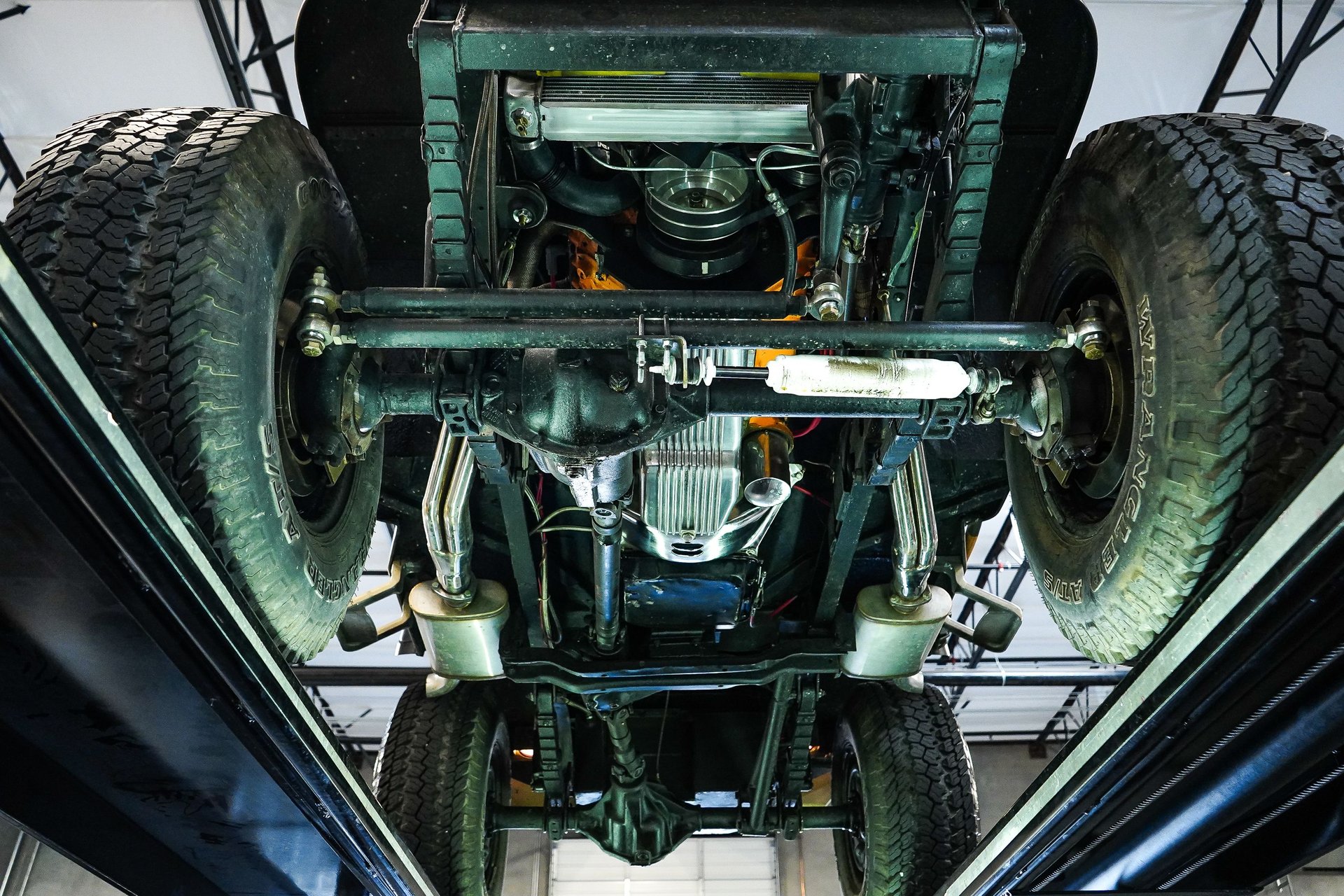
- Frame construction differences, including the GPW’s inverted C-channel front crossmember versus the MB’s tubular crossmember
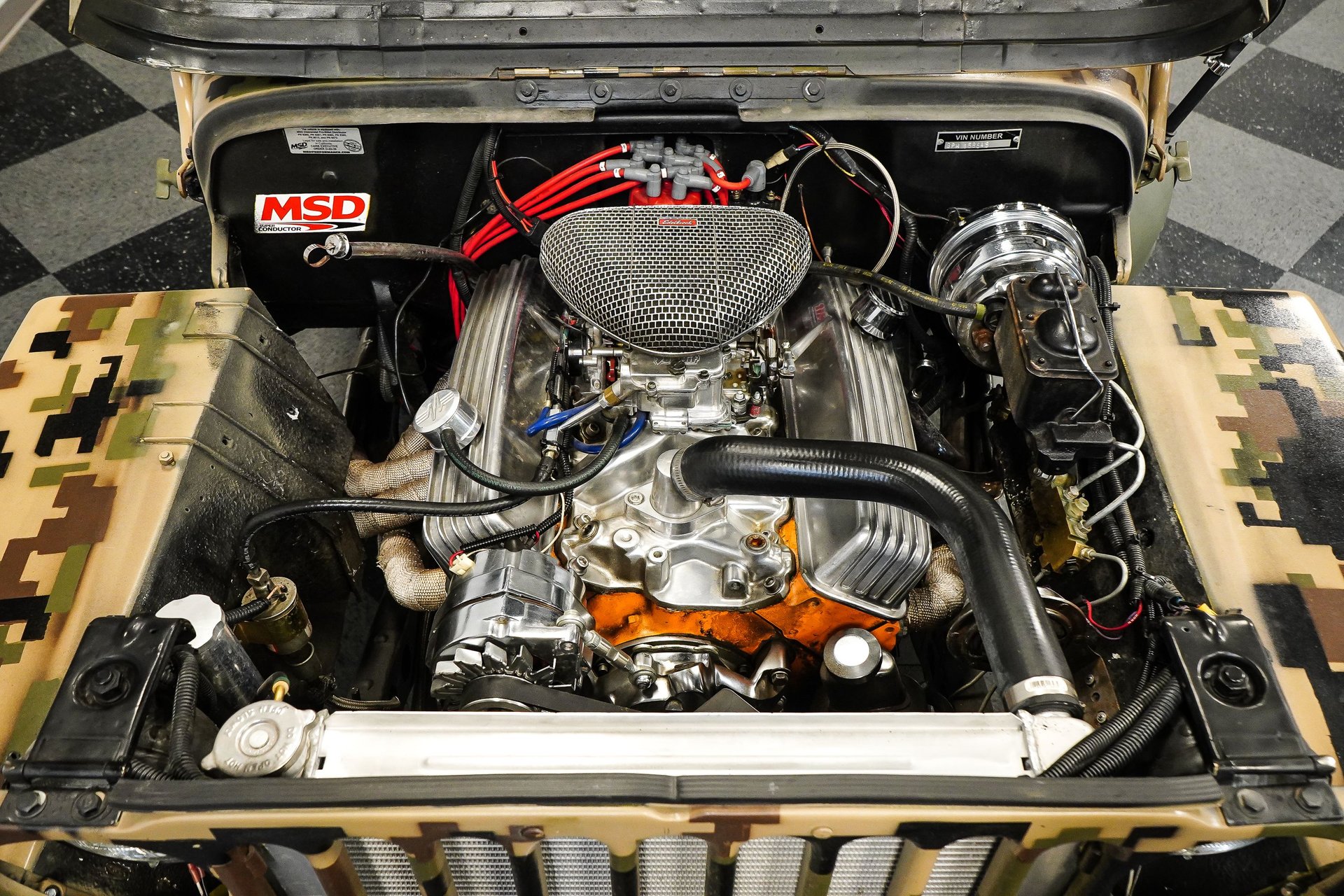
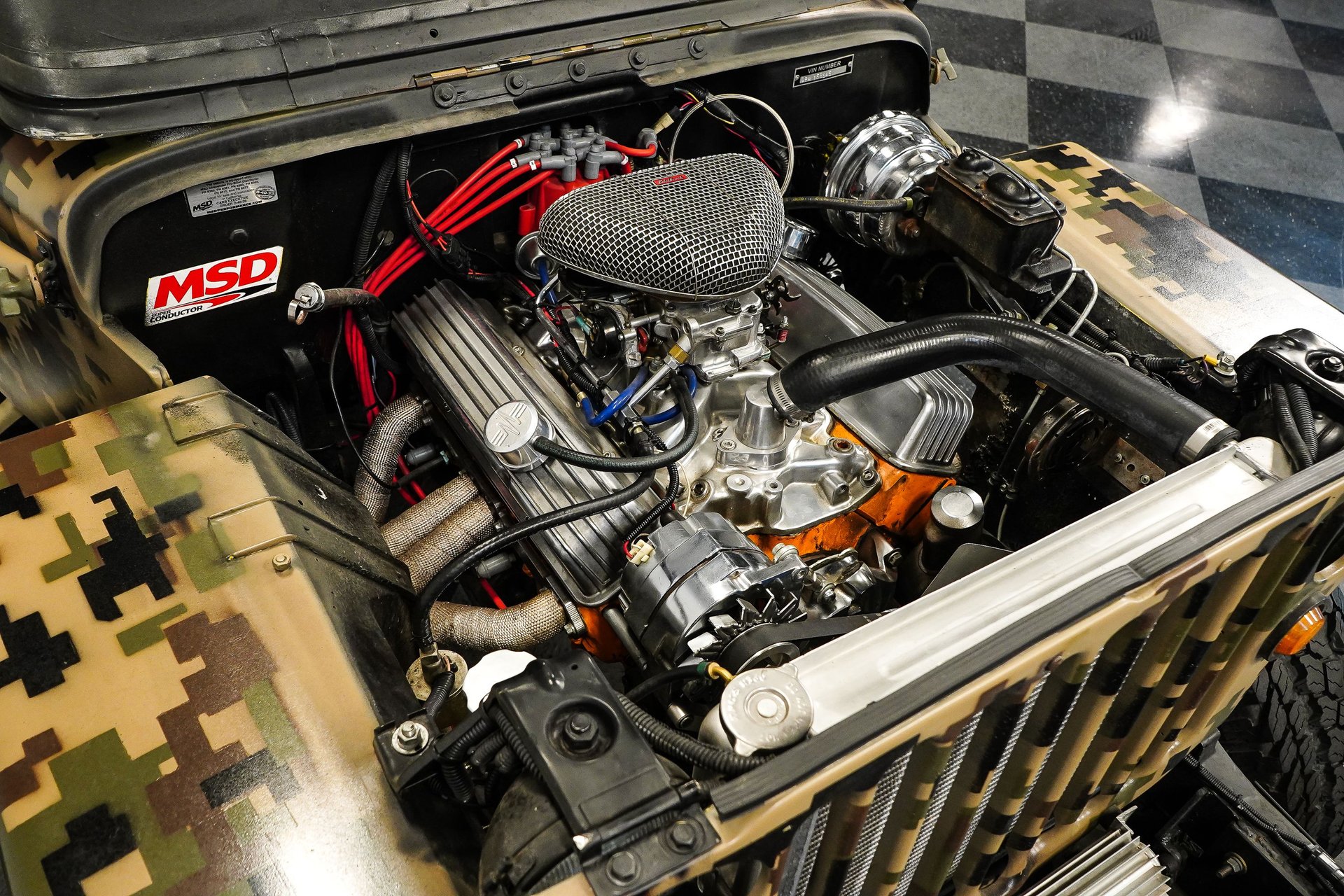
- 350 cubic-inch V8
- Four-barrel carburetor with Edelbrock aluminum intake
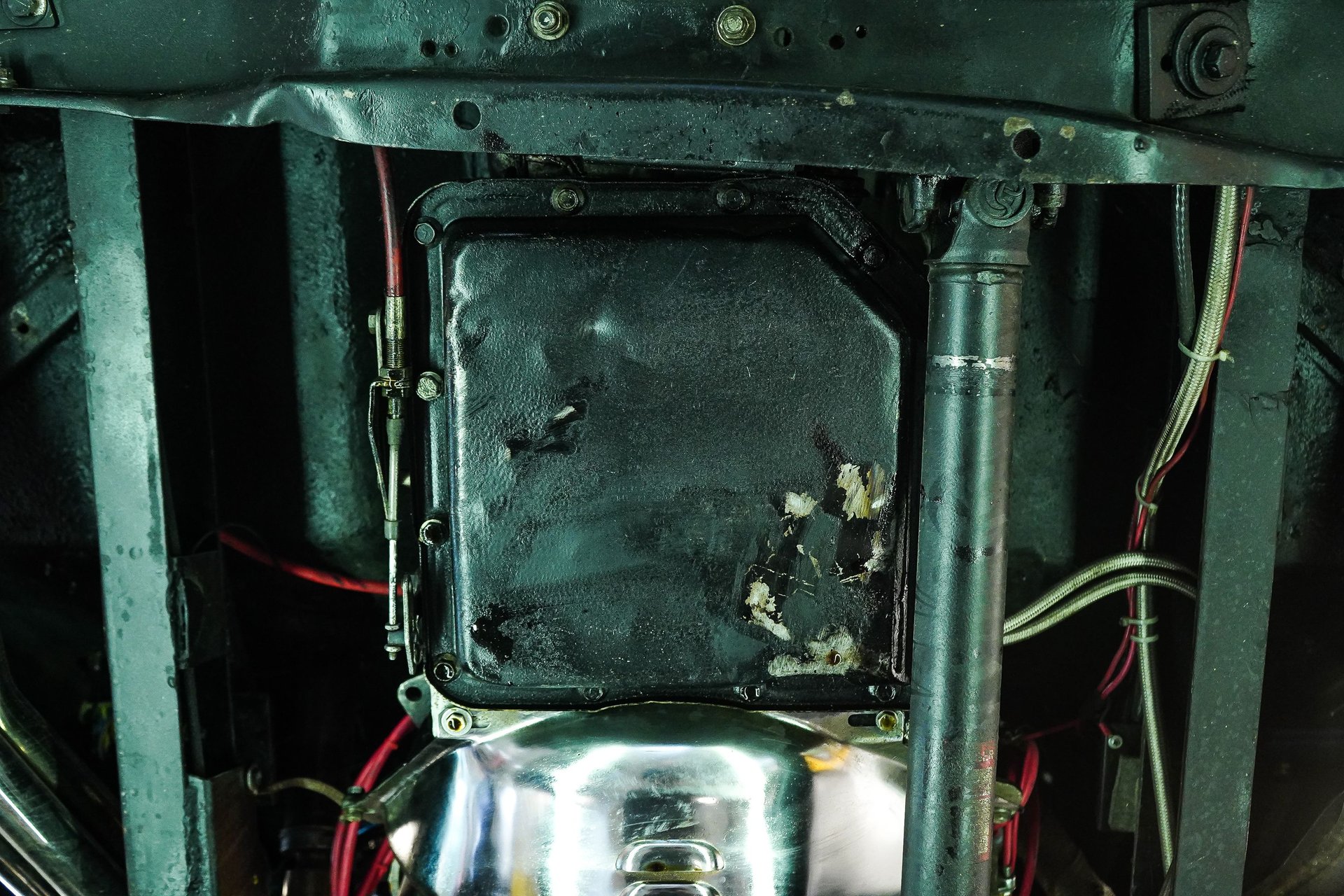
- TH350 3-speed automatic transmission
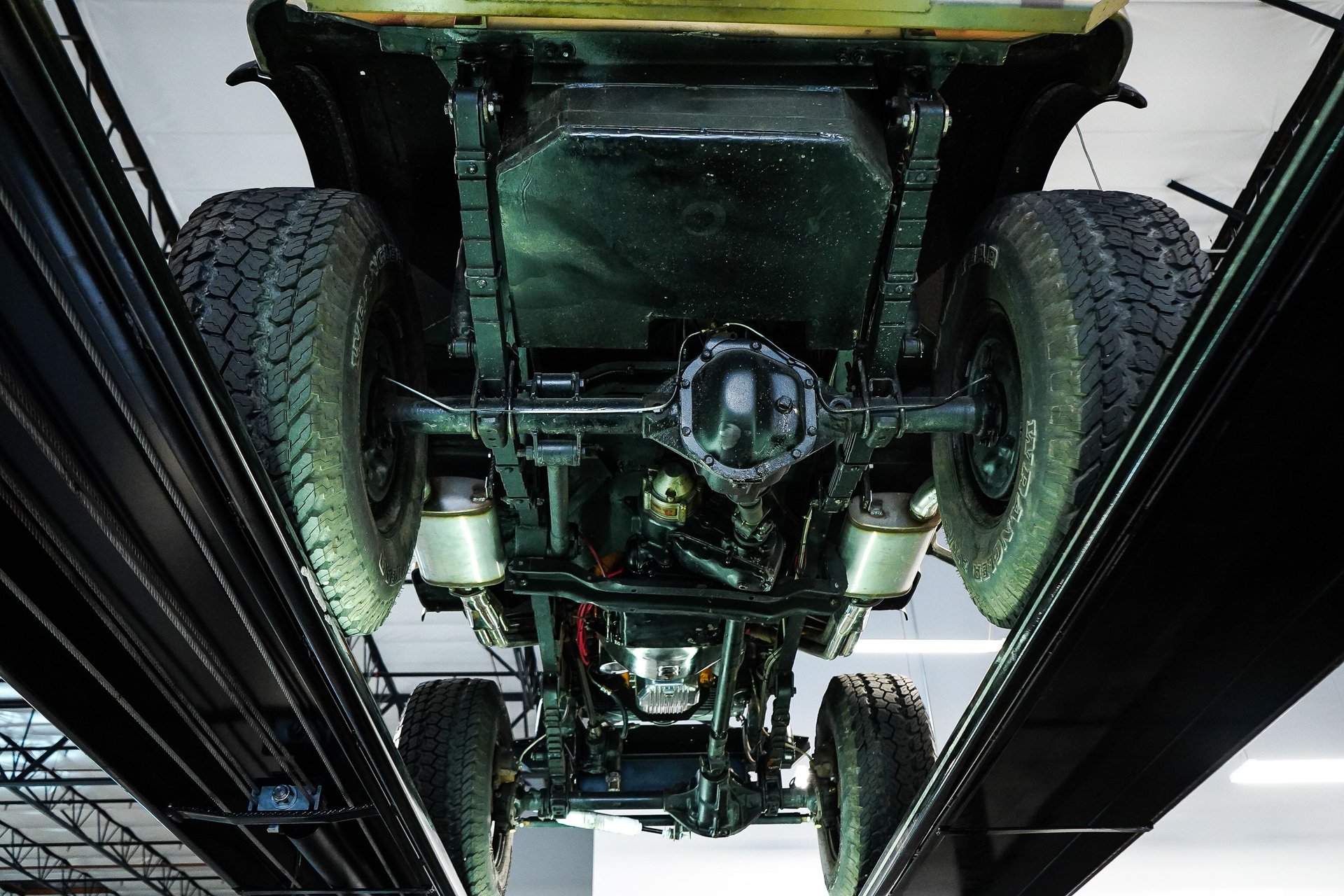
- Dana 44 rear axle
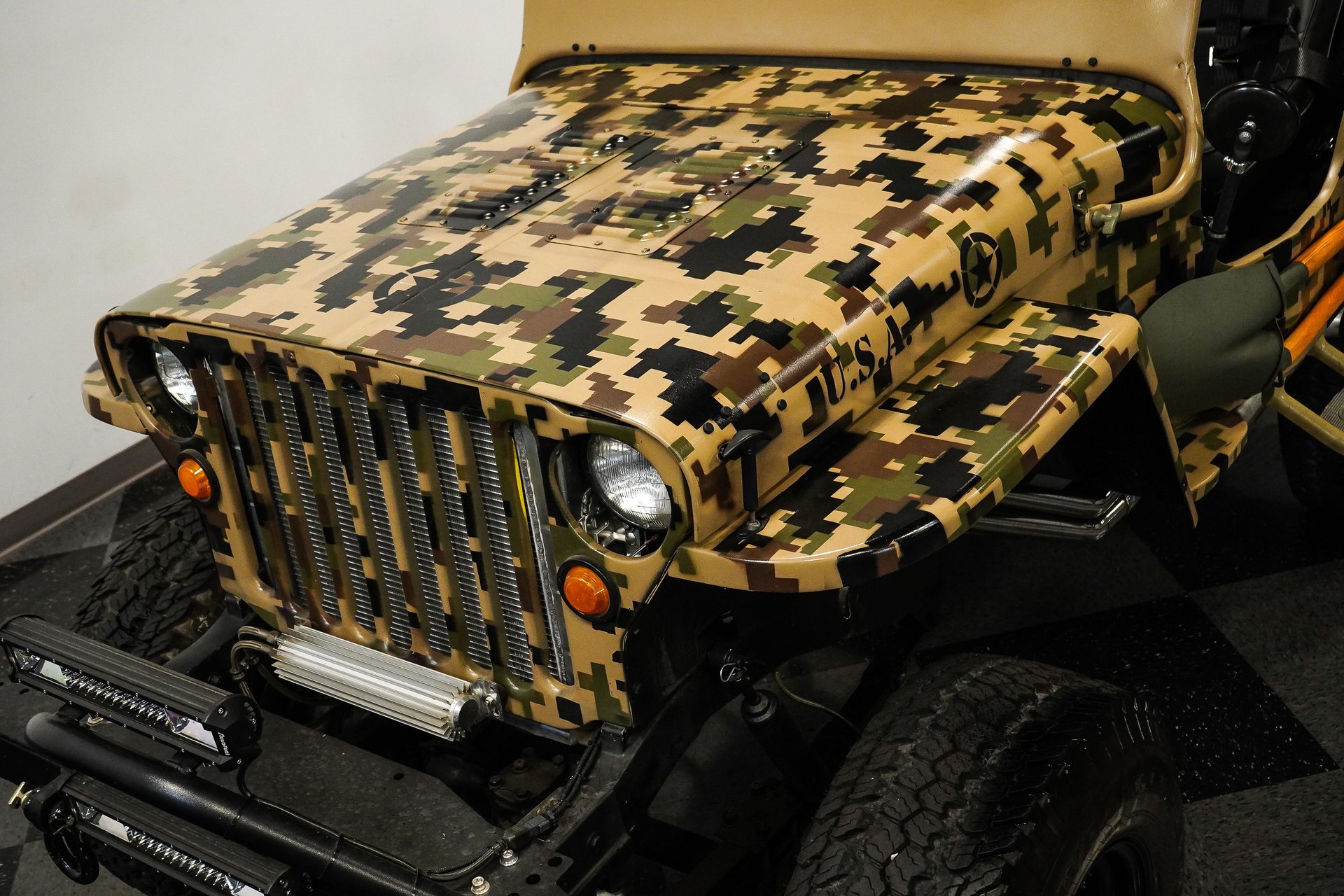
- Transmission cooler
- HEI distributor
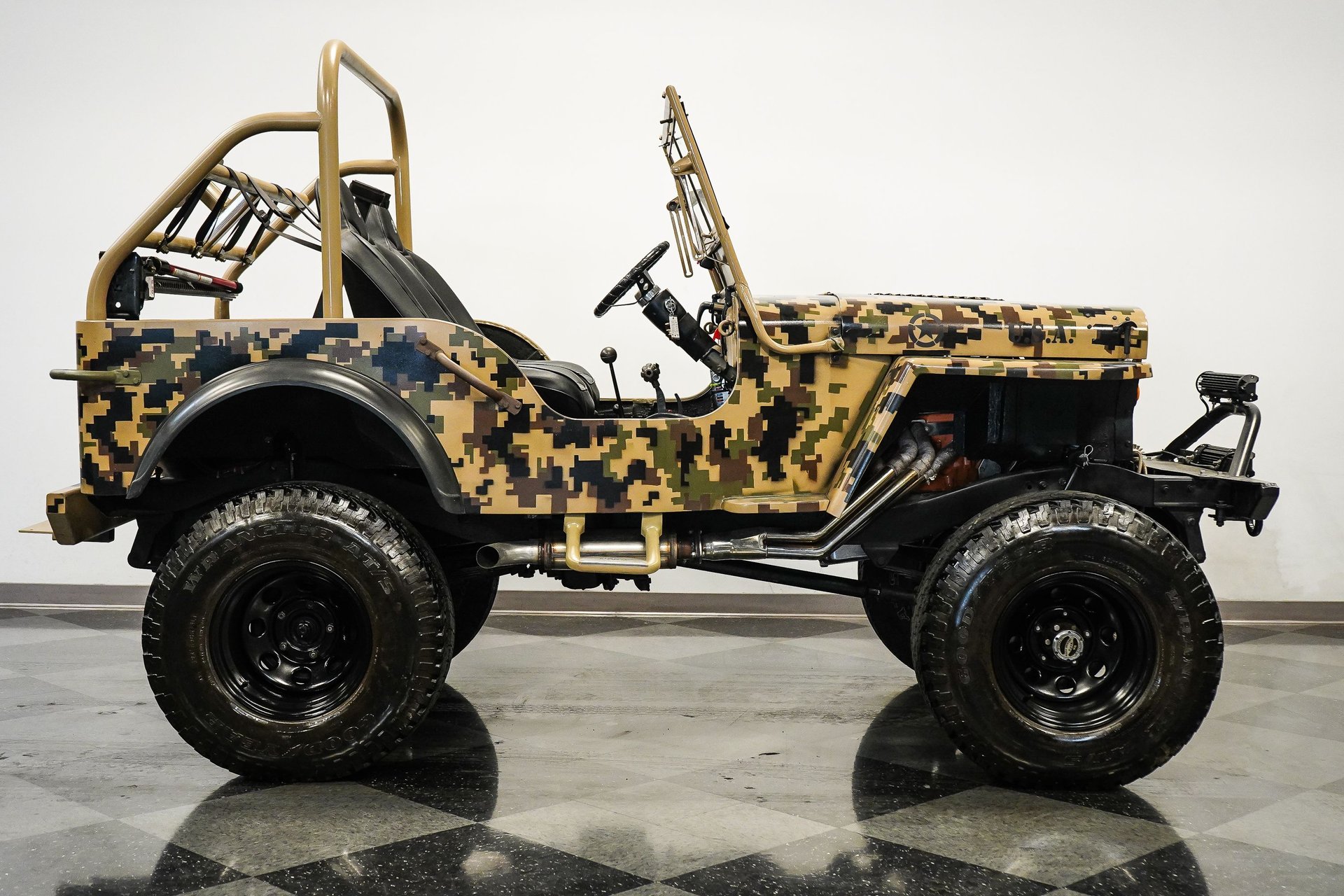
- Stainless long-tube headers
- Power steering
- Power brakes
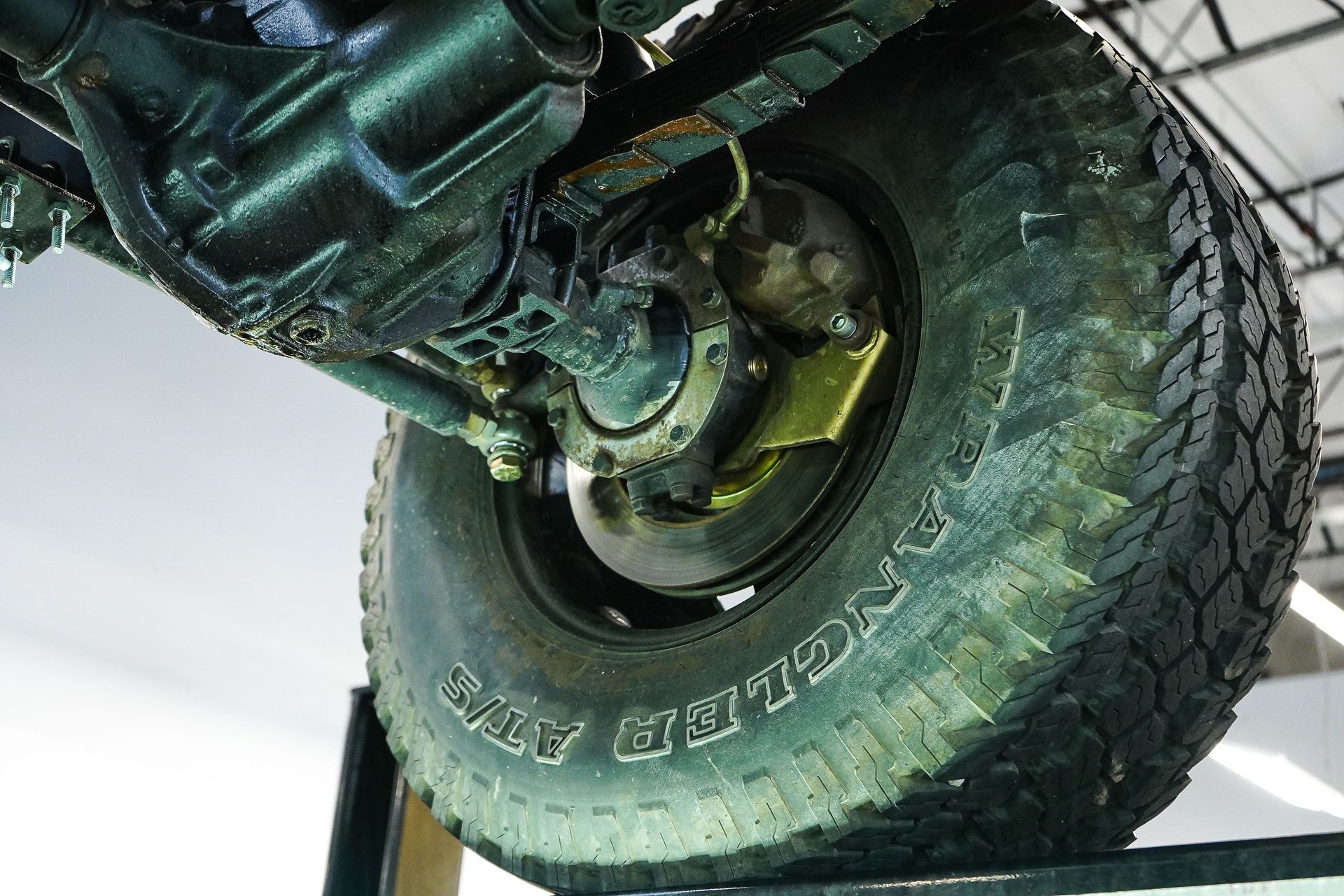
- Front disc brakes
- Rear drum brakes
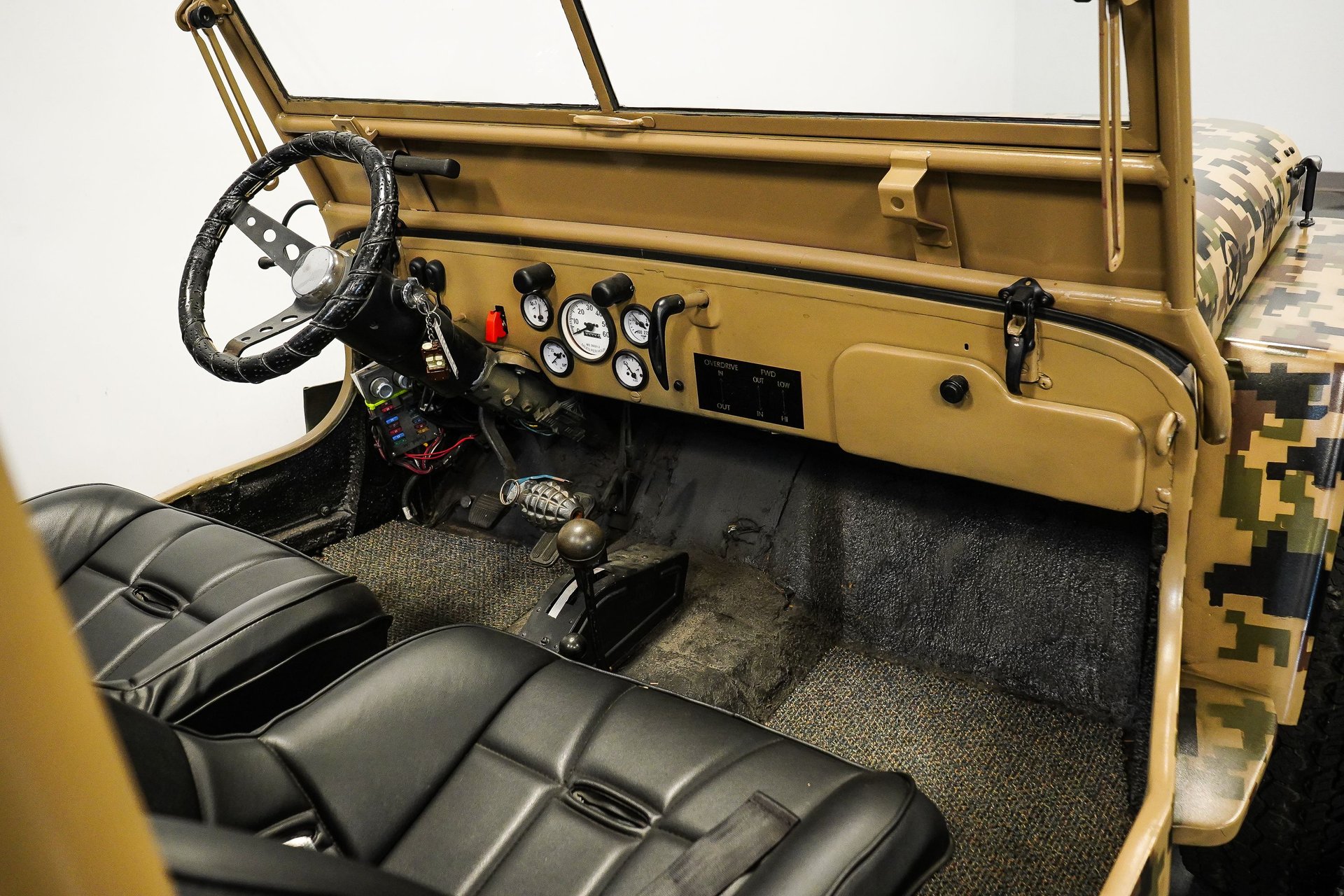
- Liner-painted floors
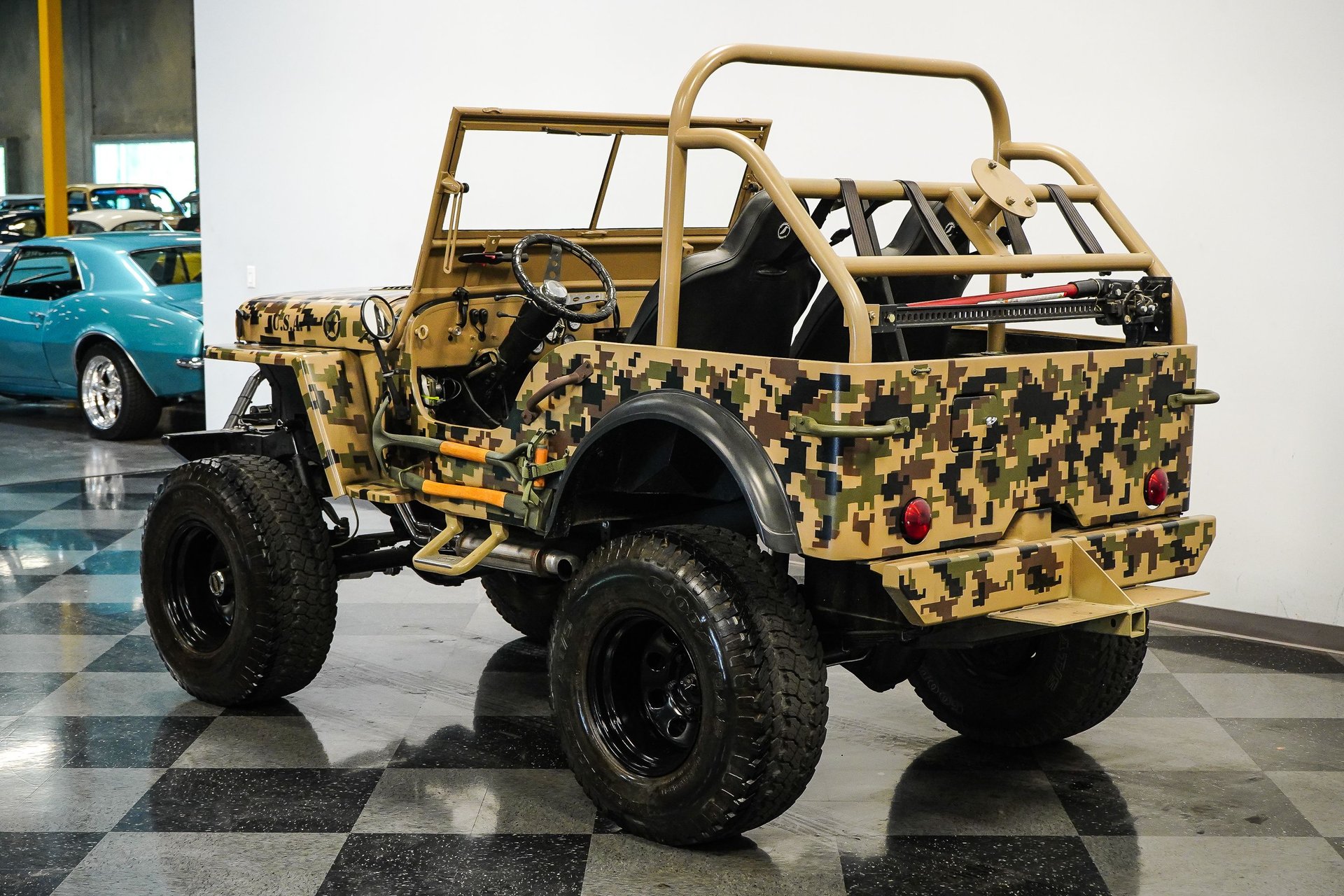
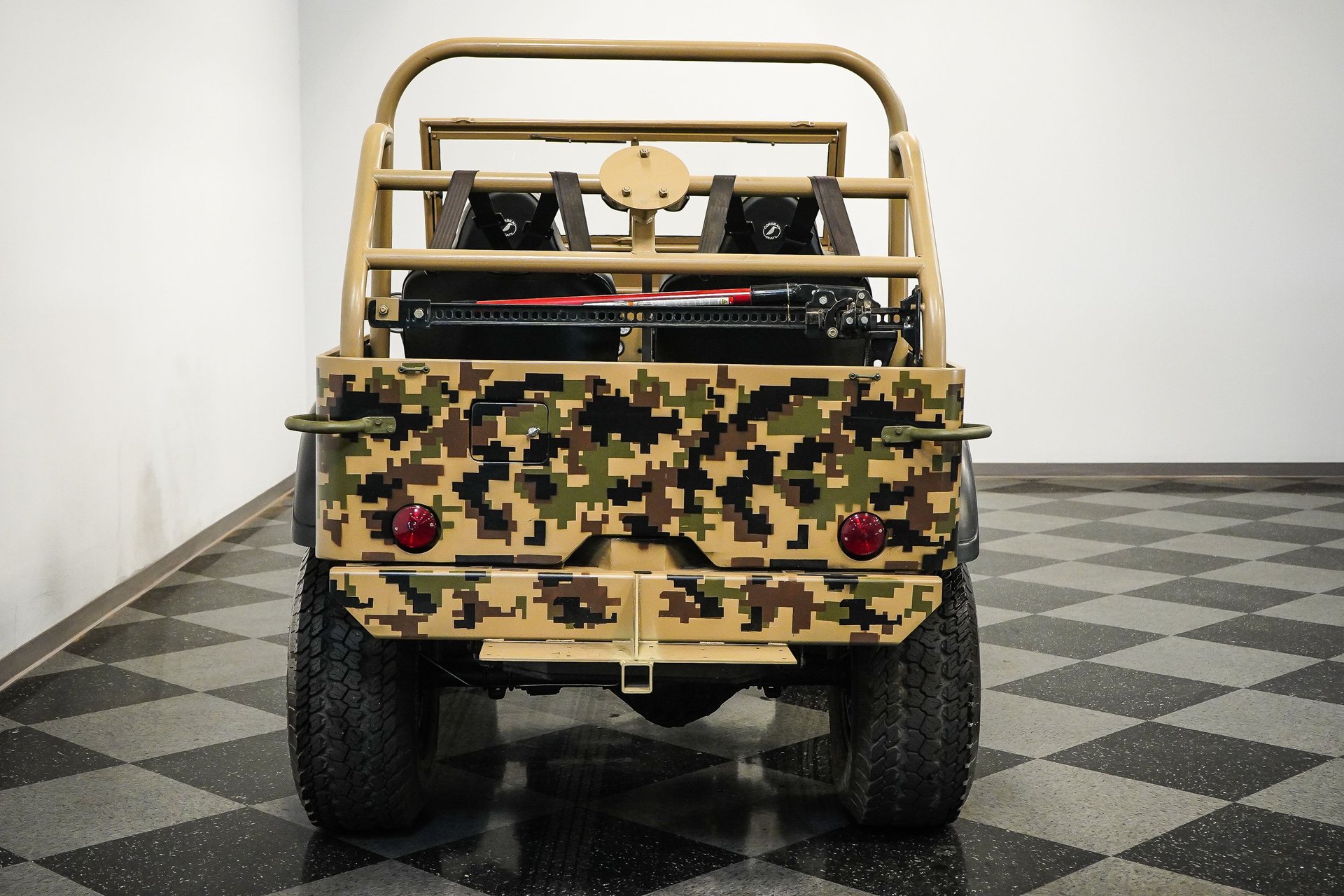
- Custom trailer hitch with plate to mount jerry cans
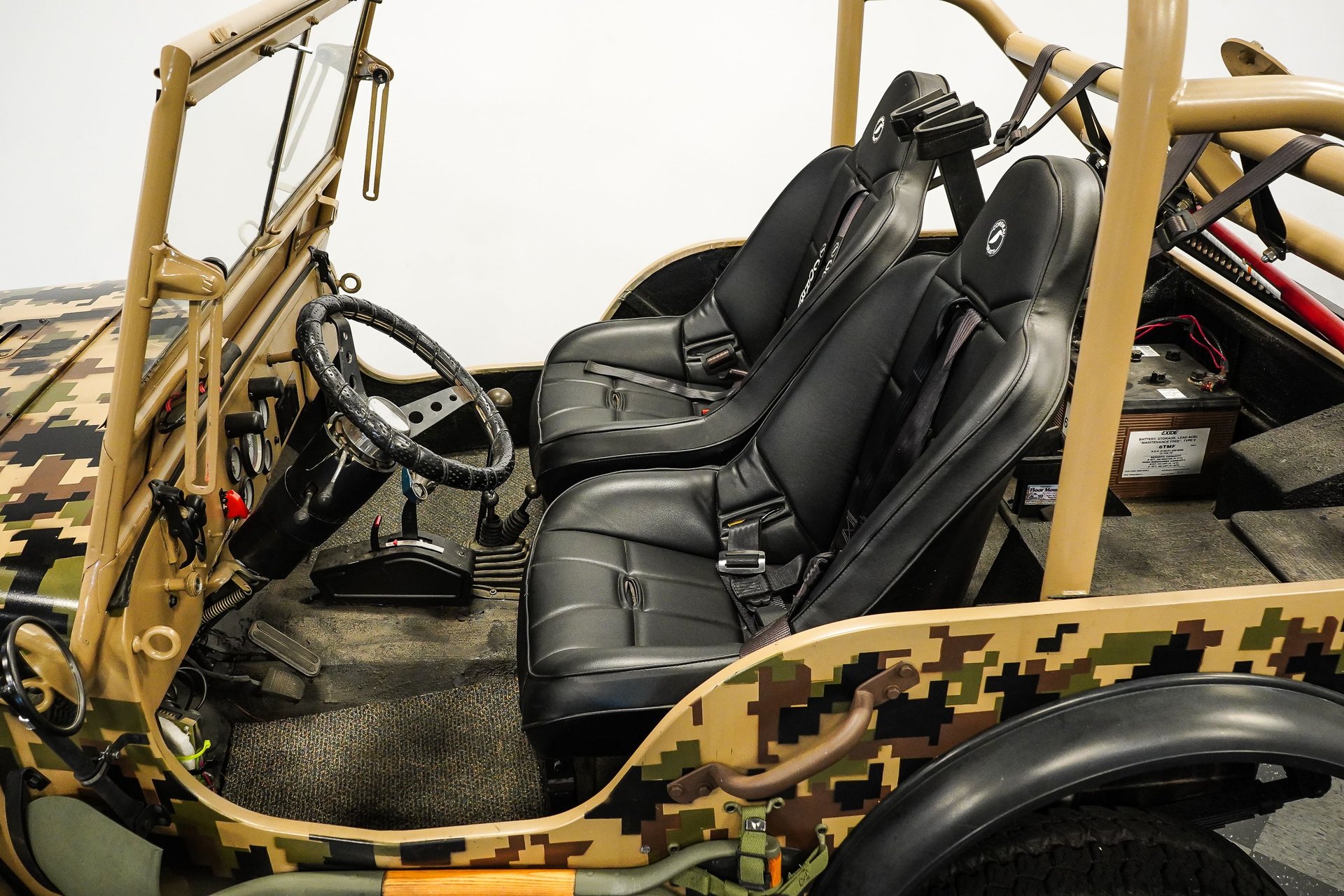
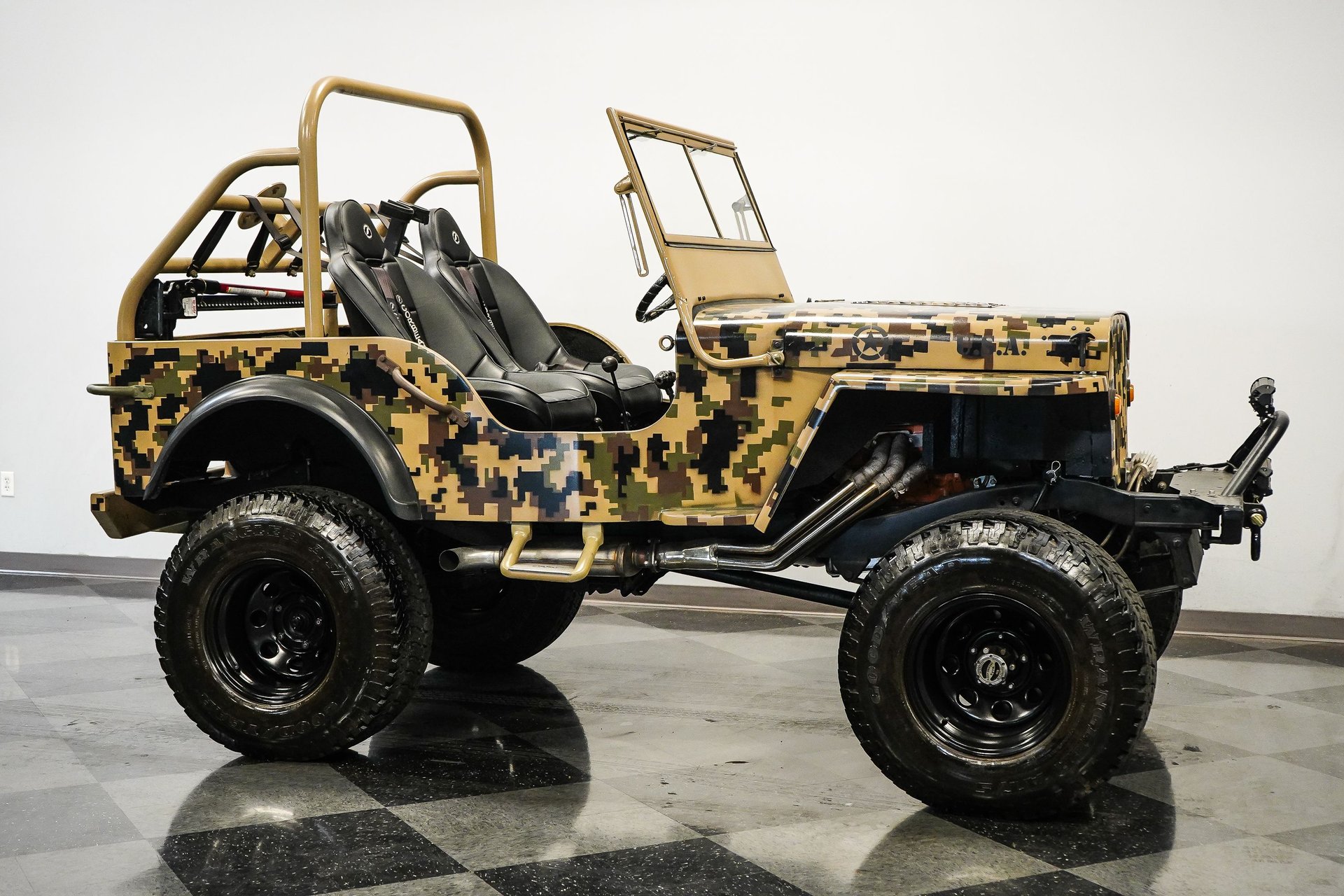
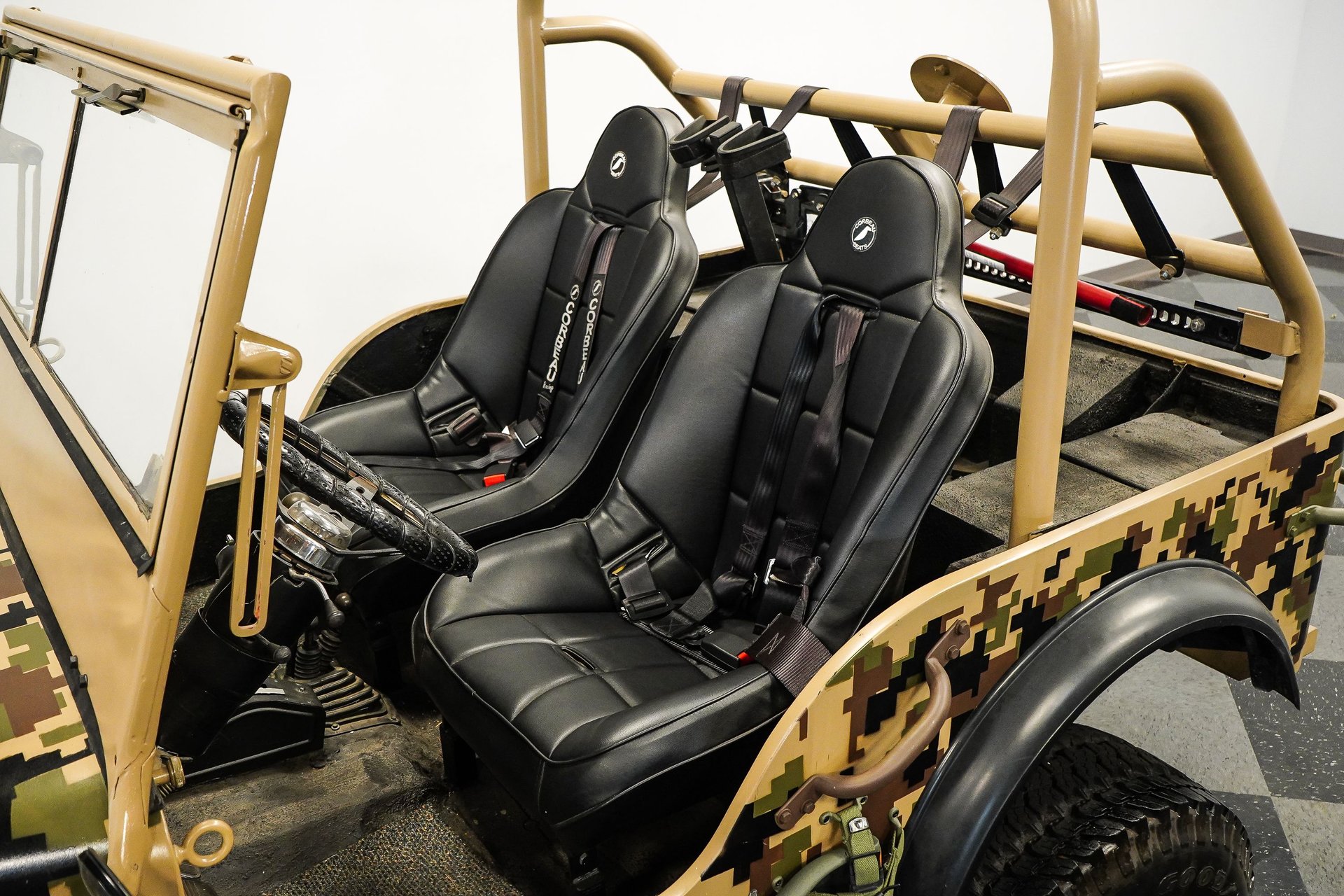
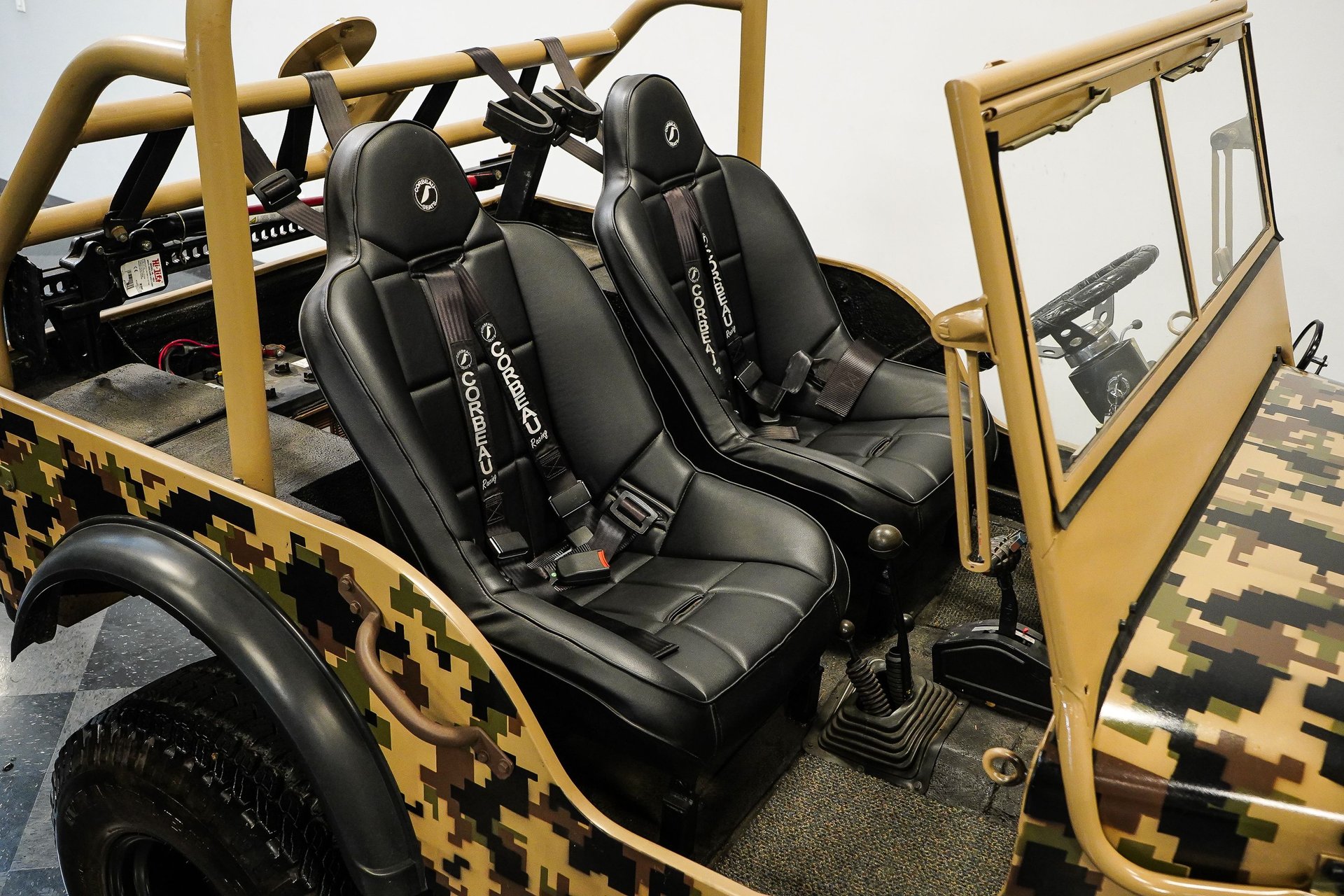
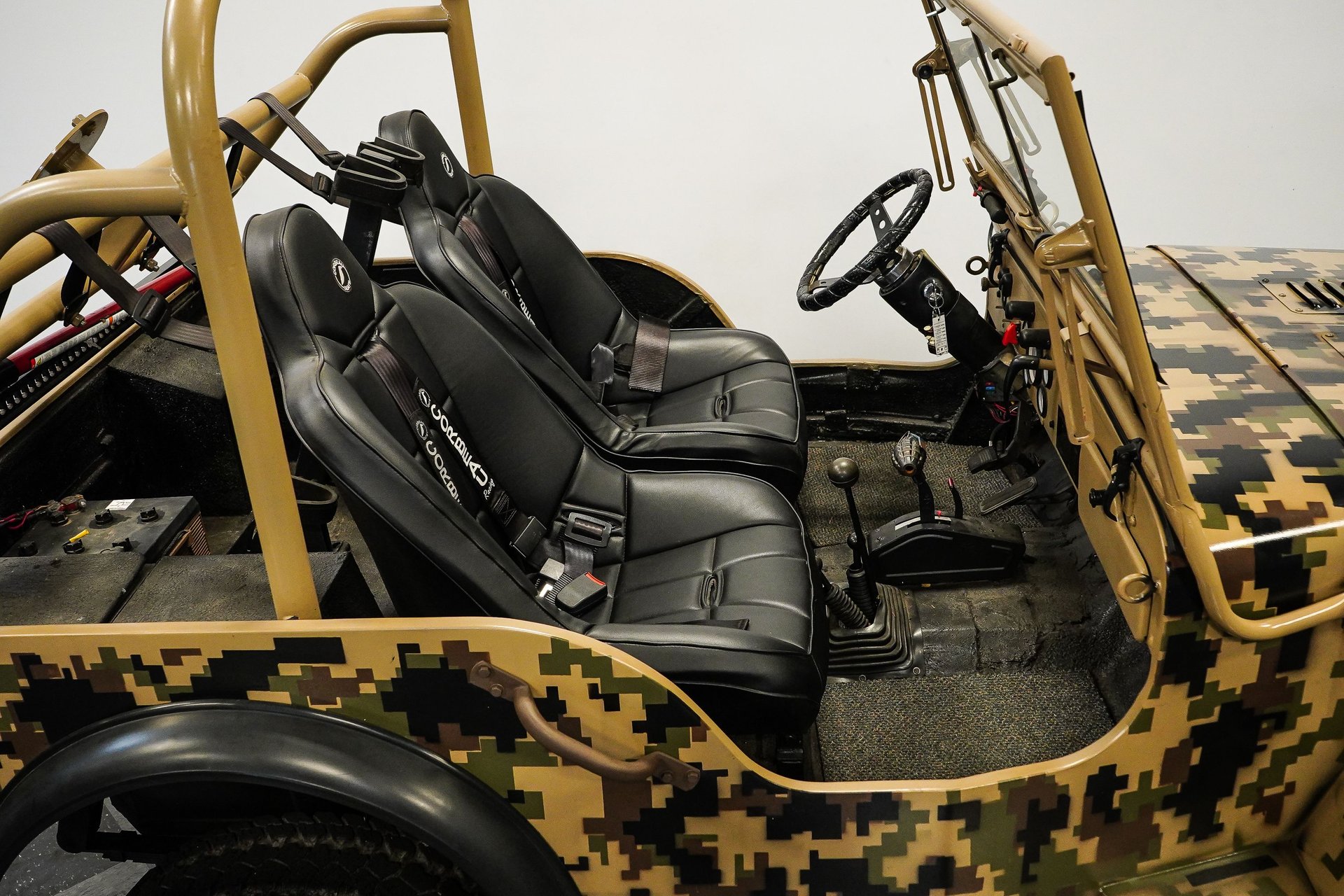
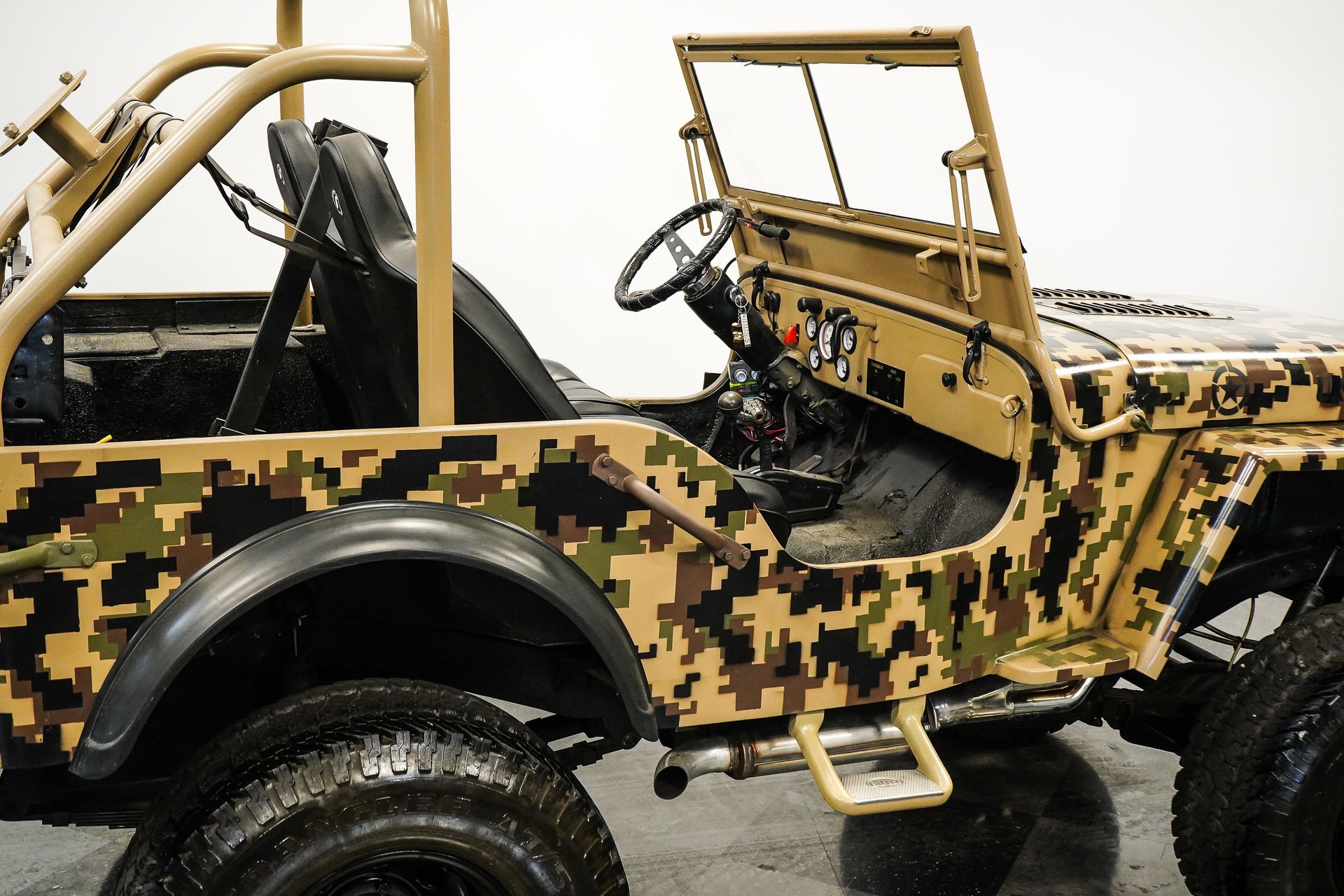
- 4-point off-road harnesses
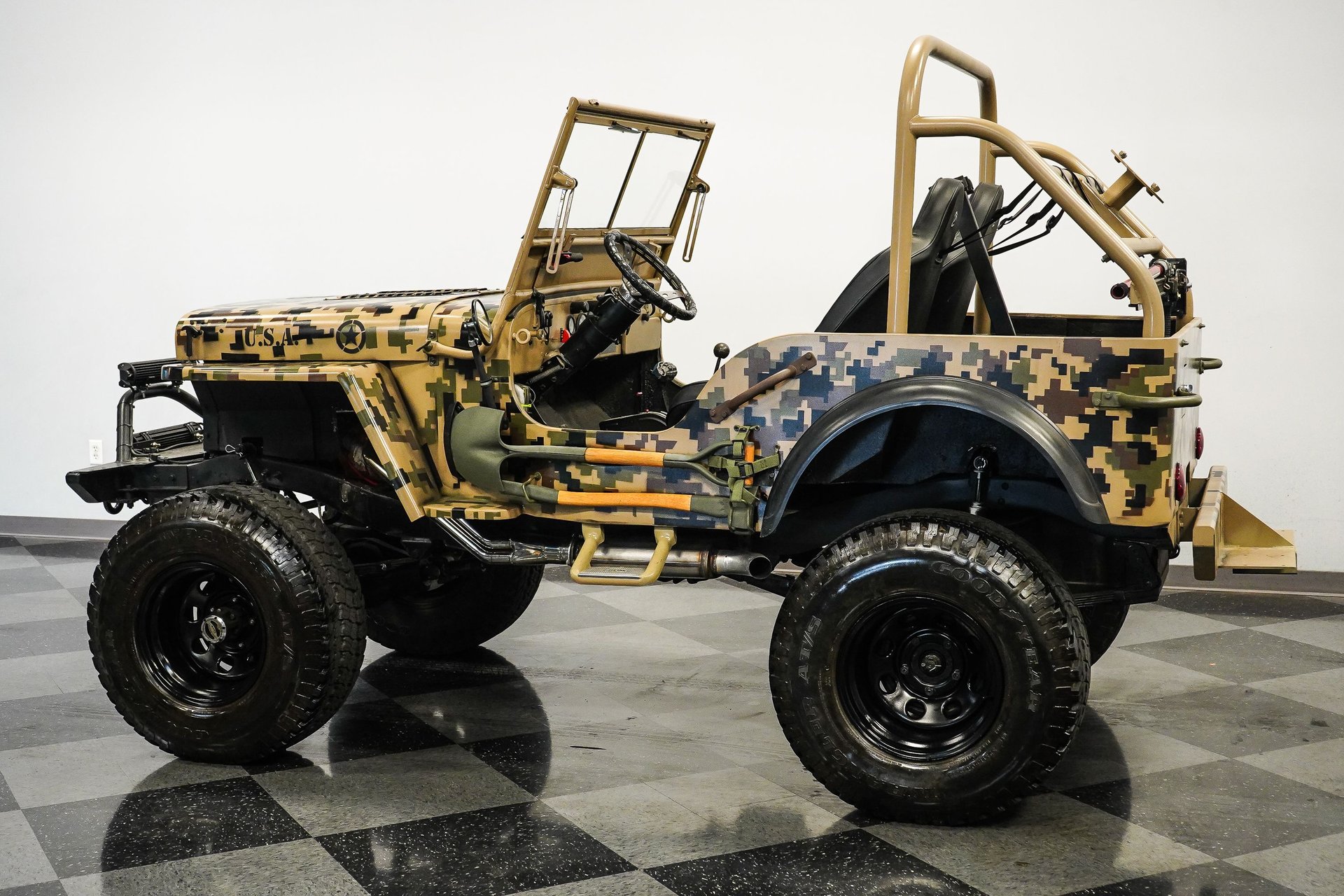
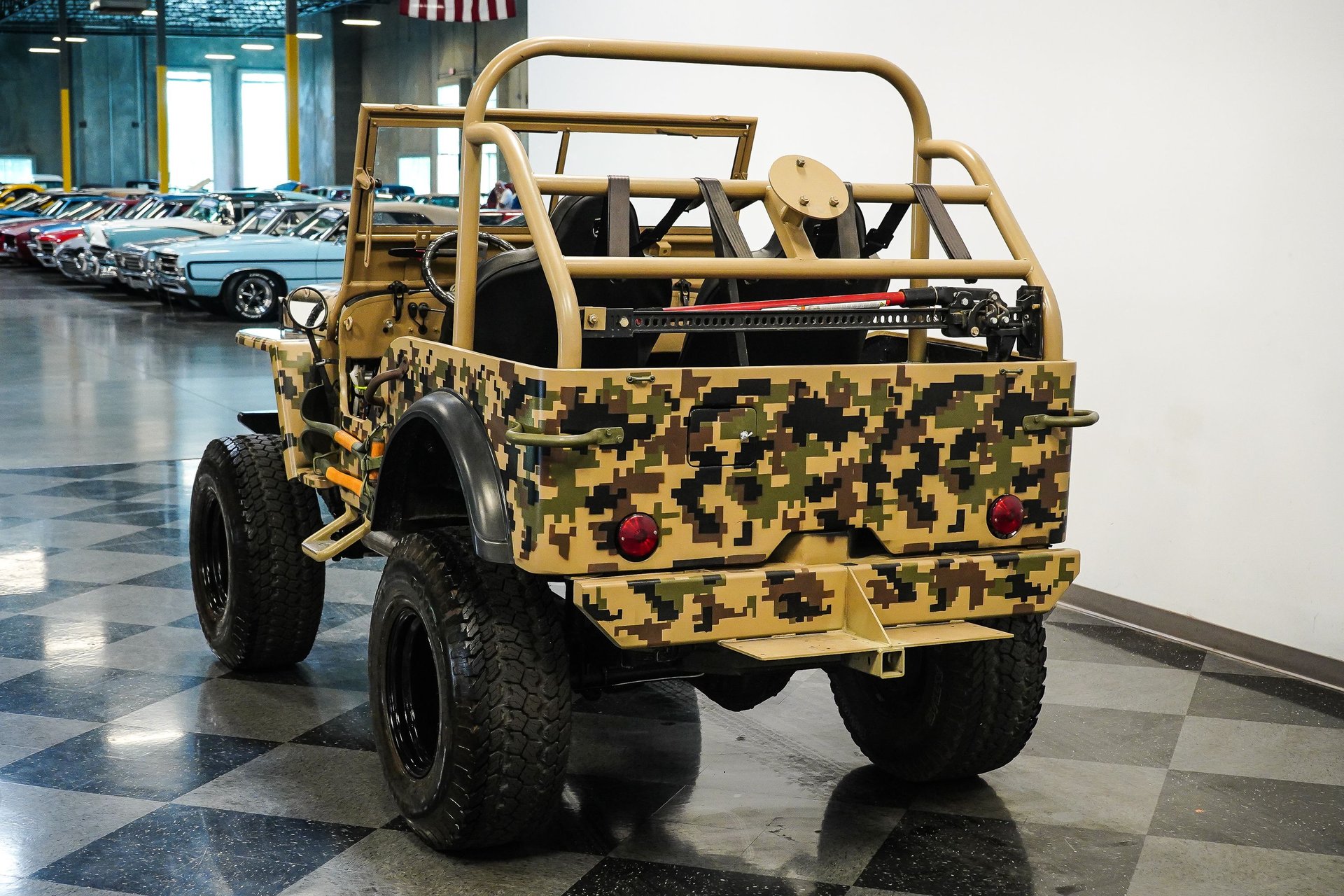
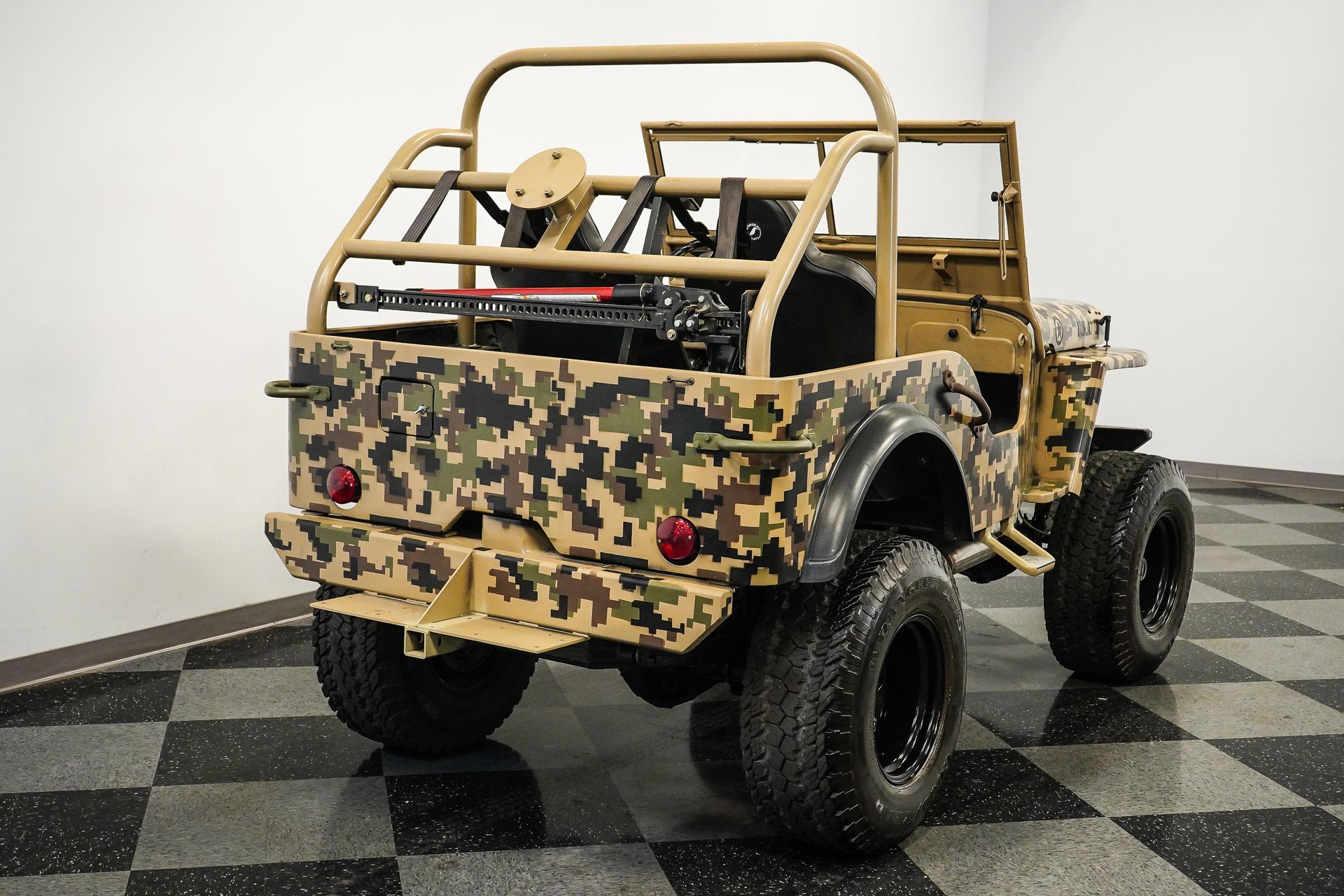
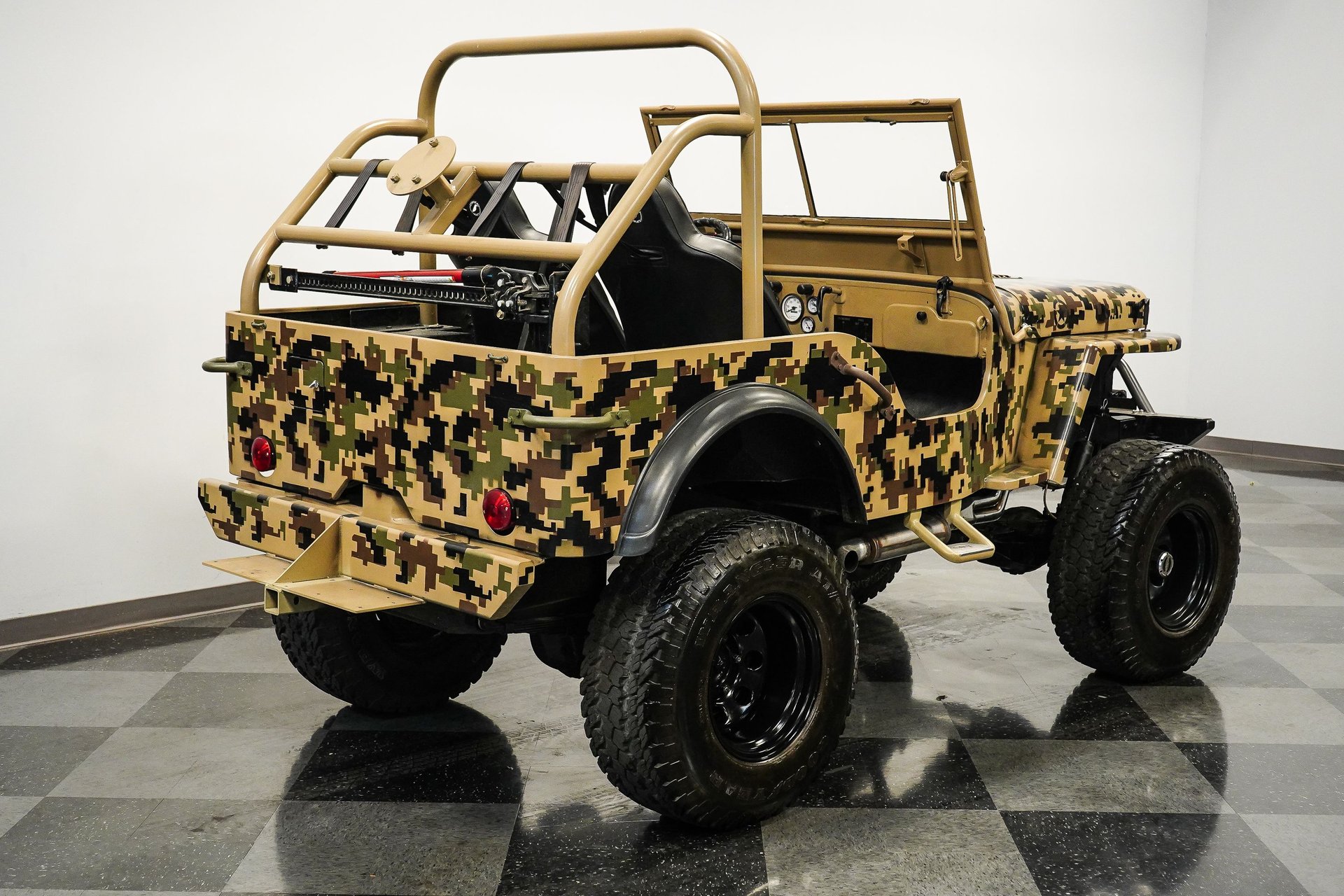
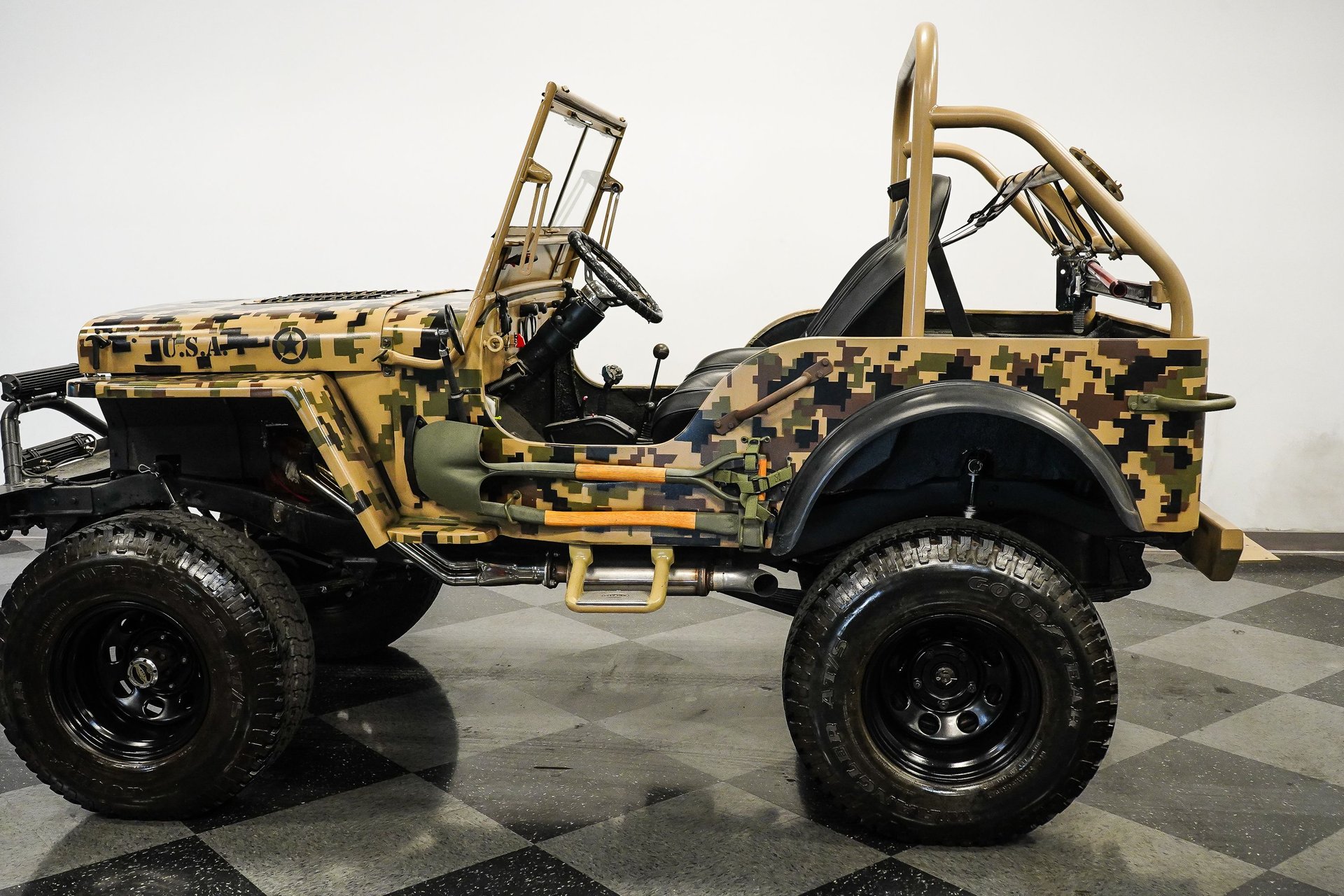
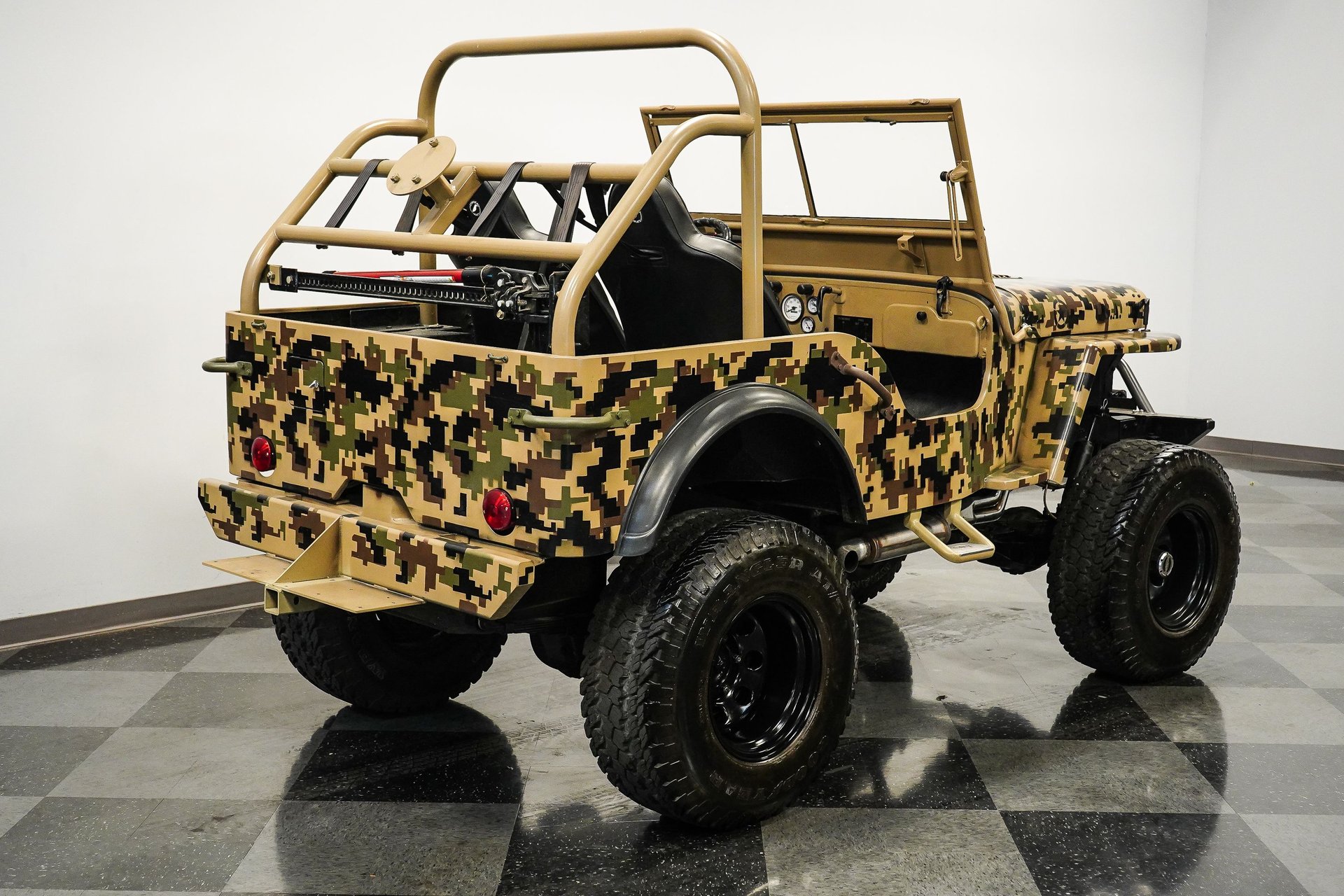
- Roll bar with Hi-Lift jack and full-size spare mount
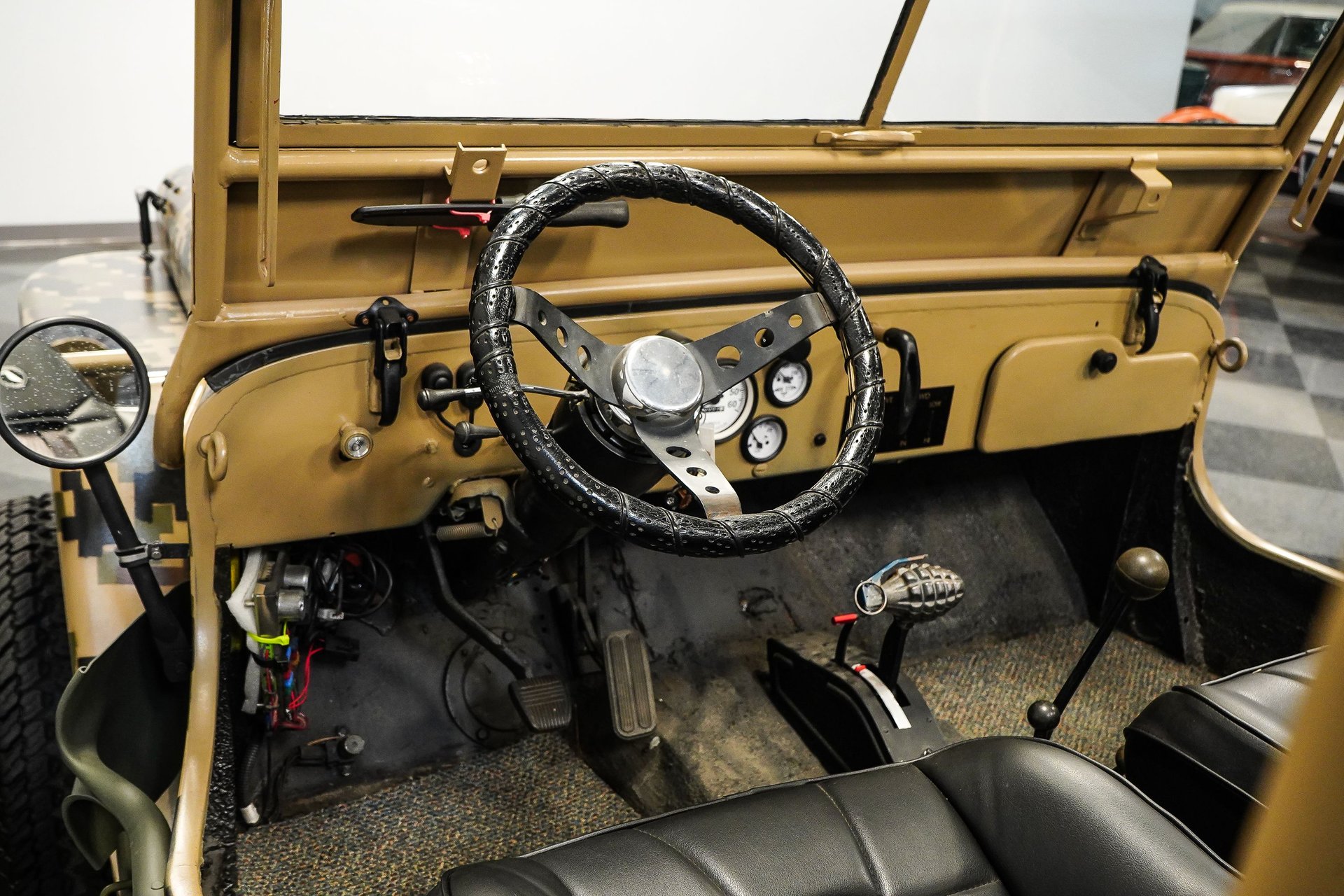
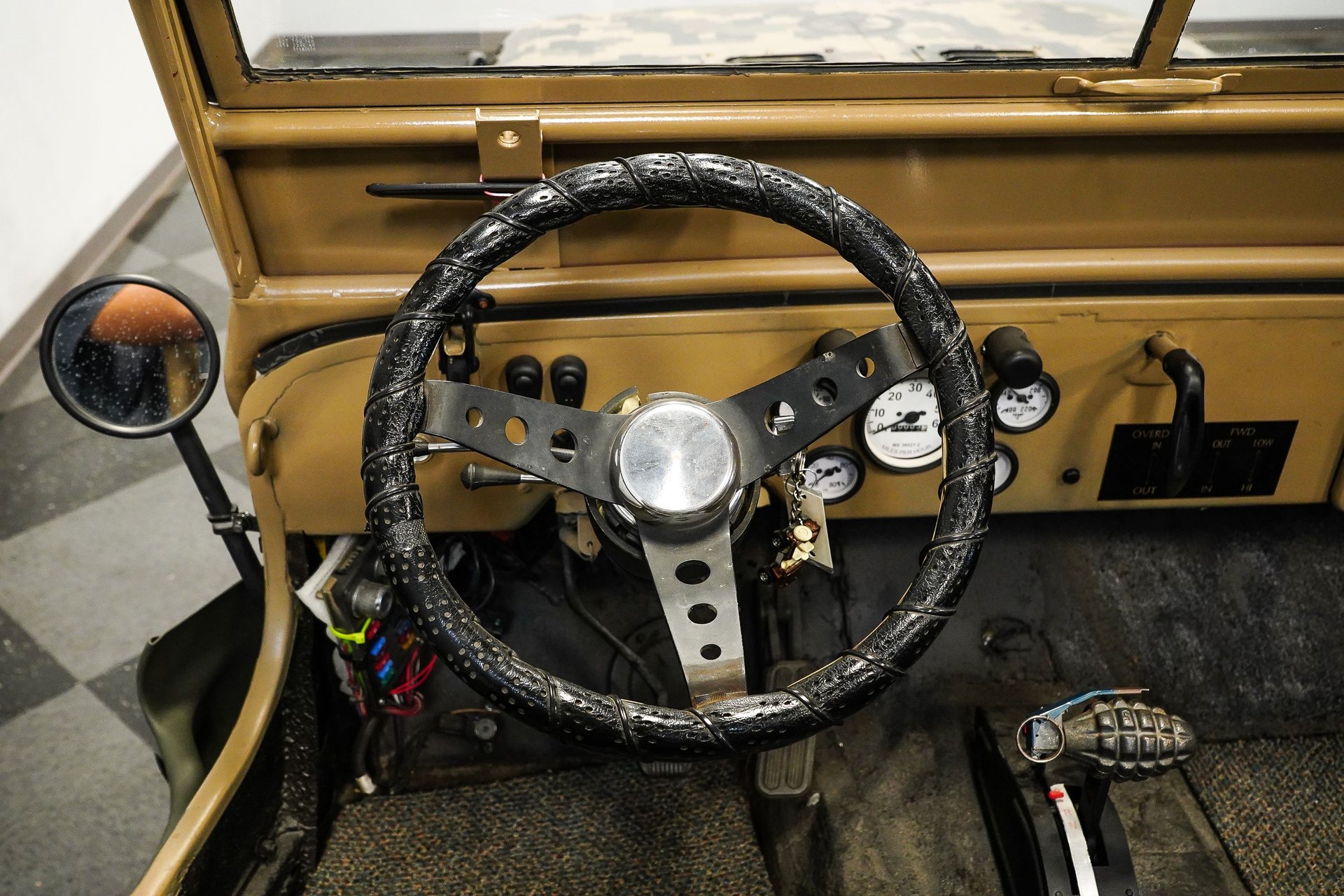
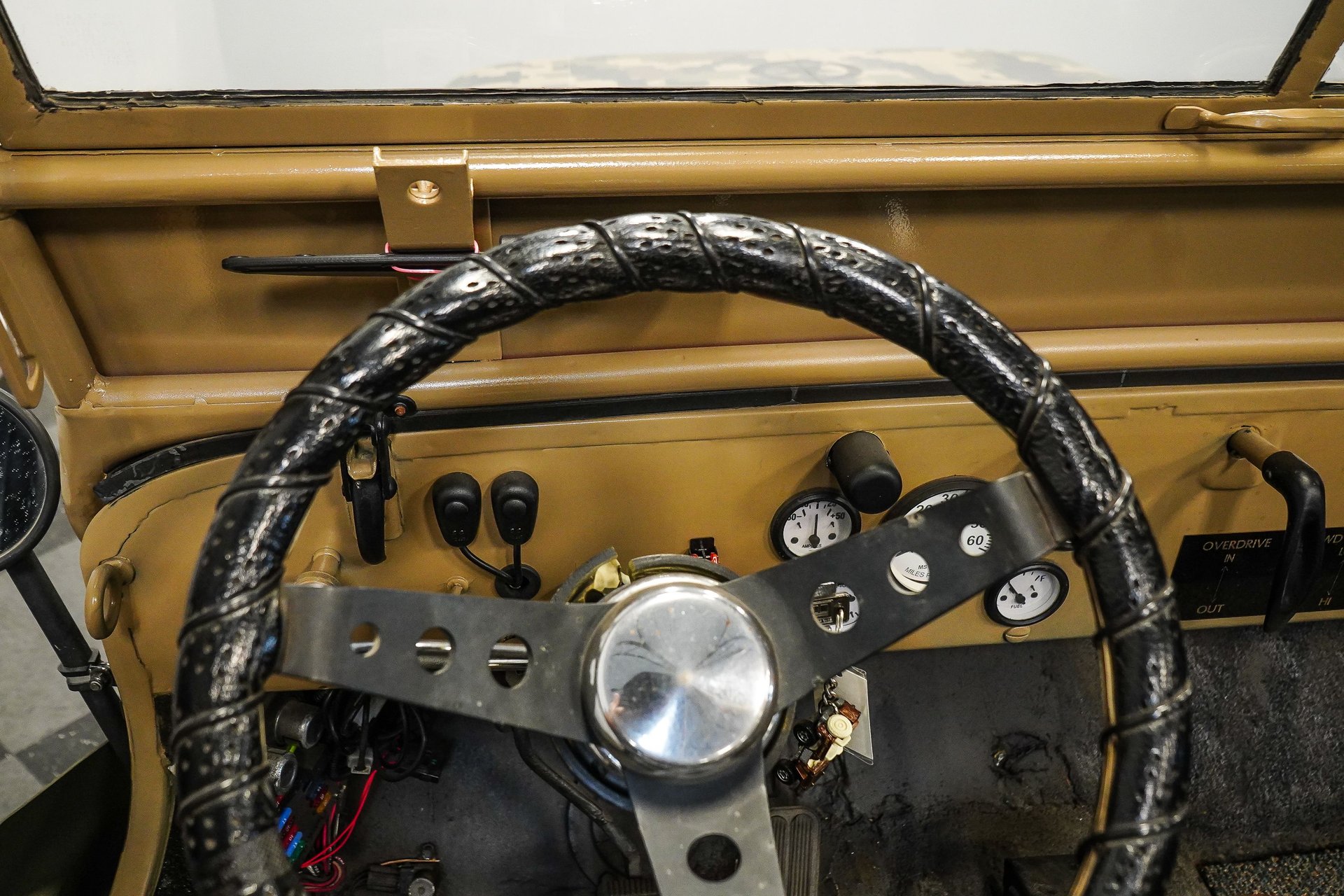
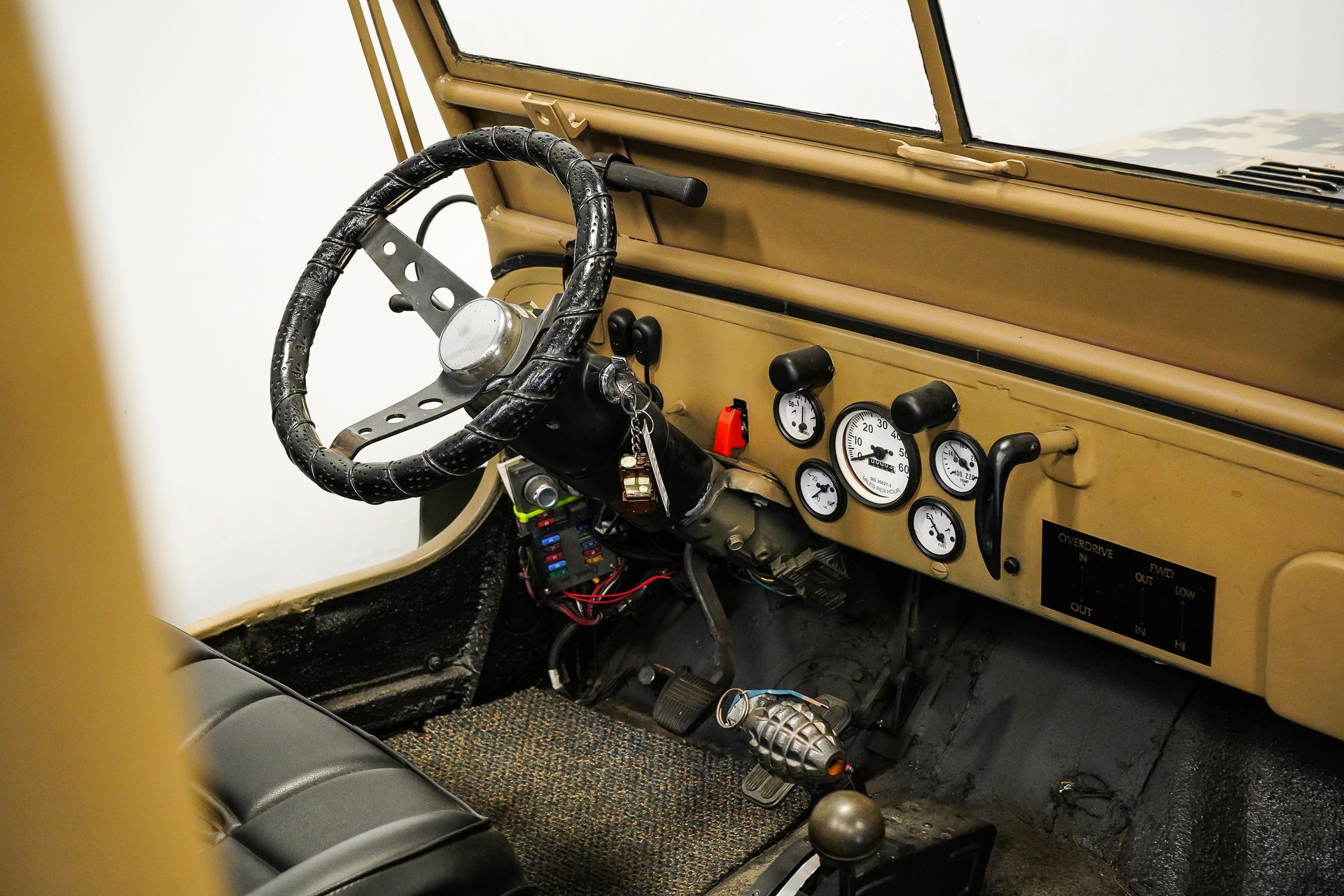
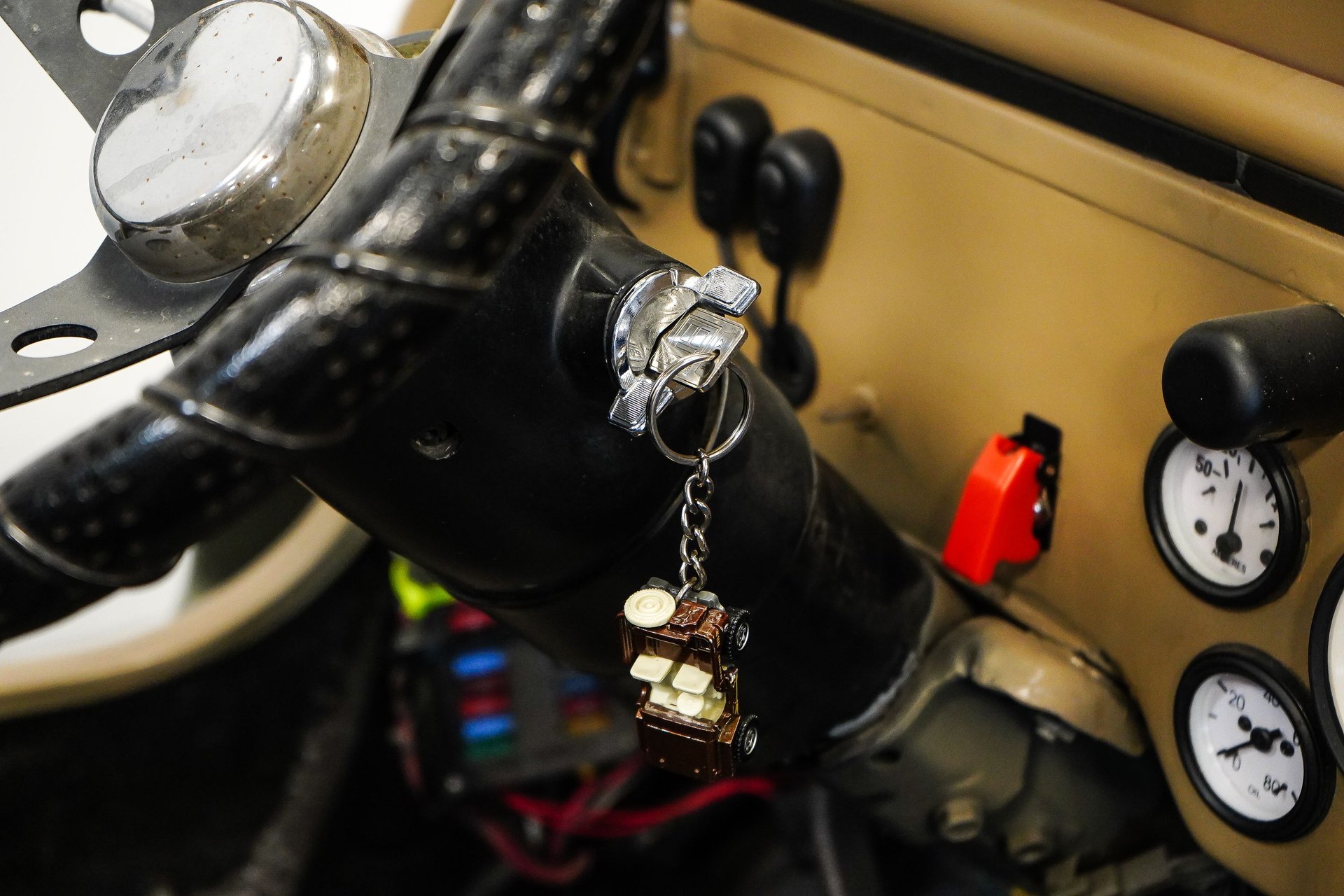
- Three-spoke steering wheel
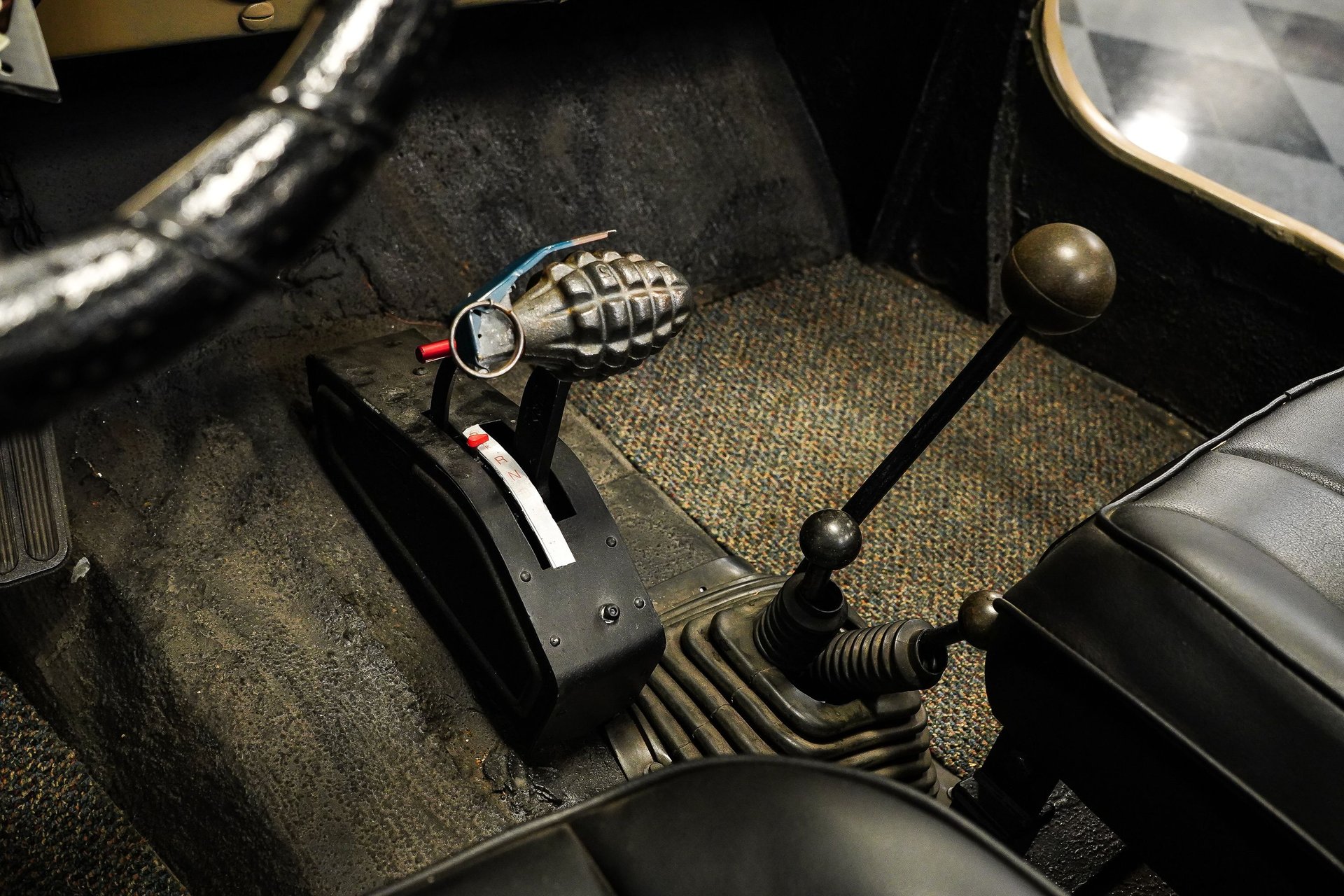
- B&M shifter
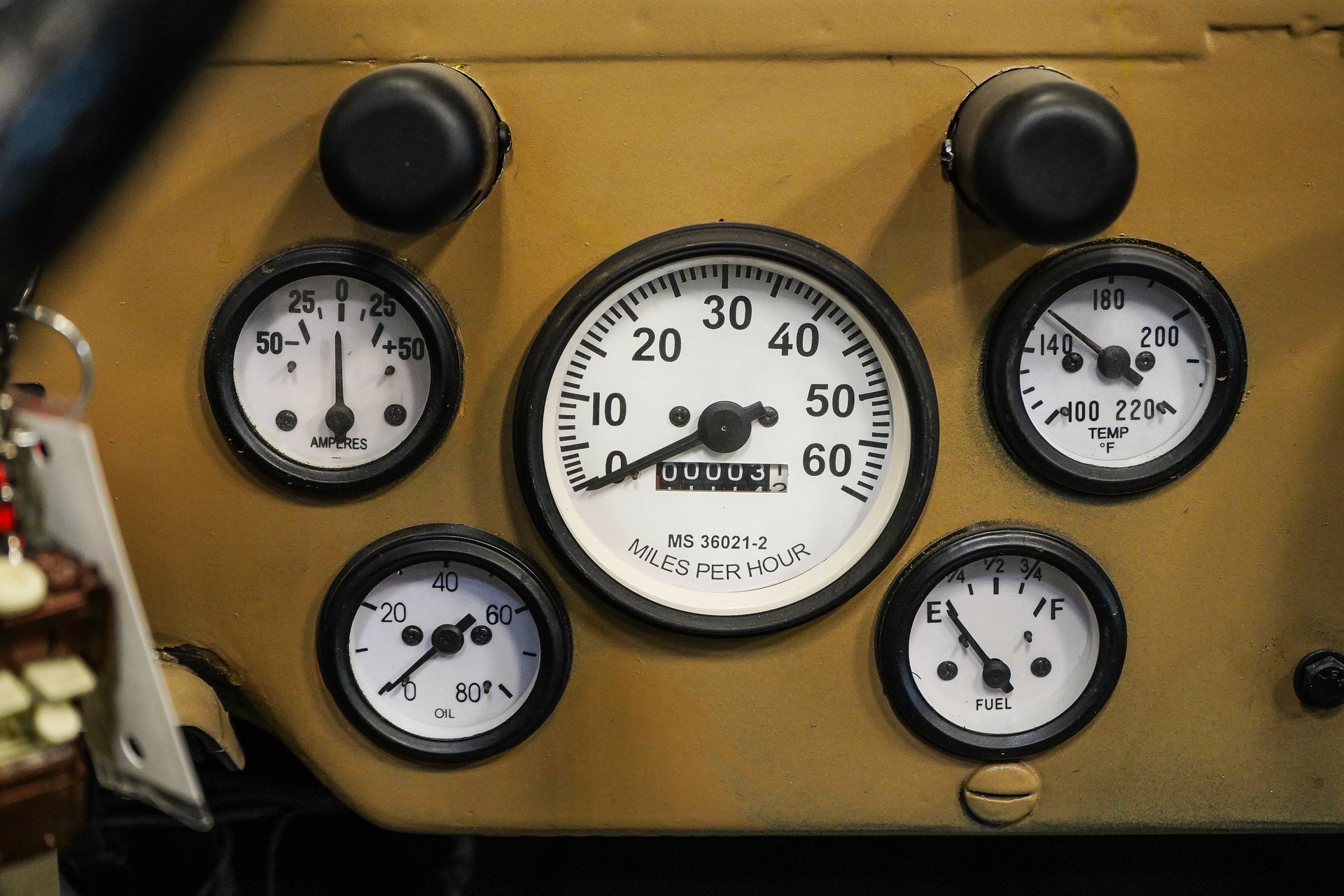
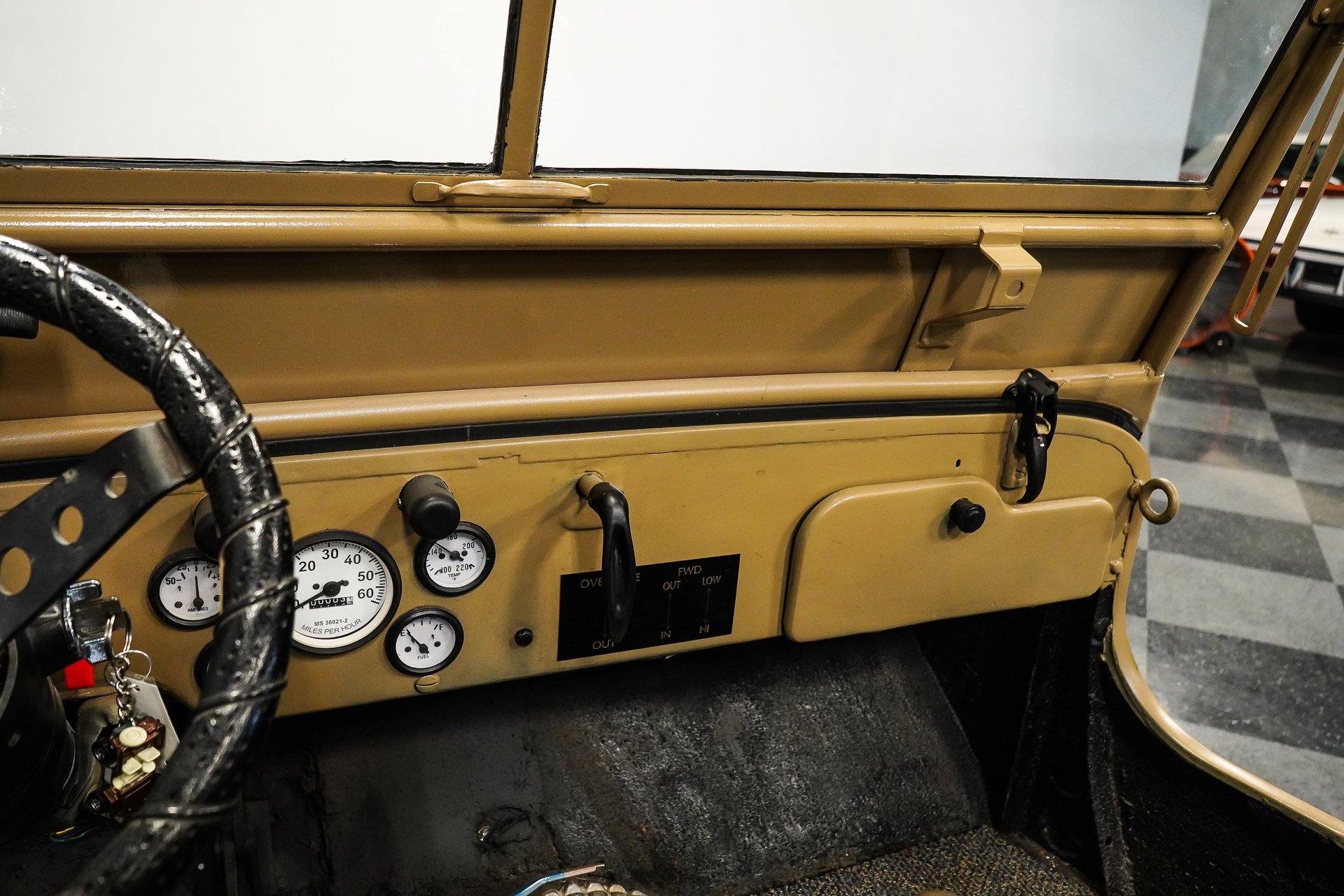
- Upgraded gauge package with oil pressure, fuel, oil temperature, amperage, and speedometer
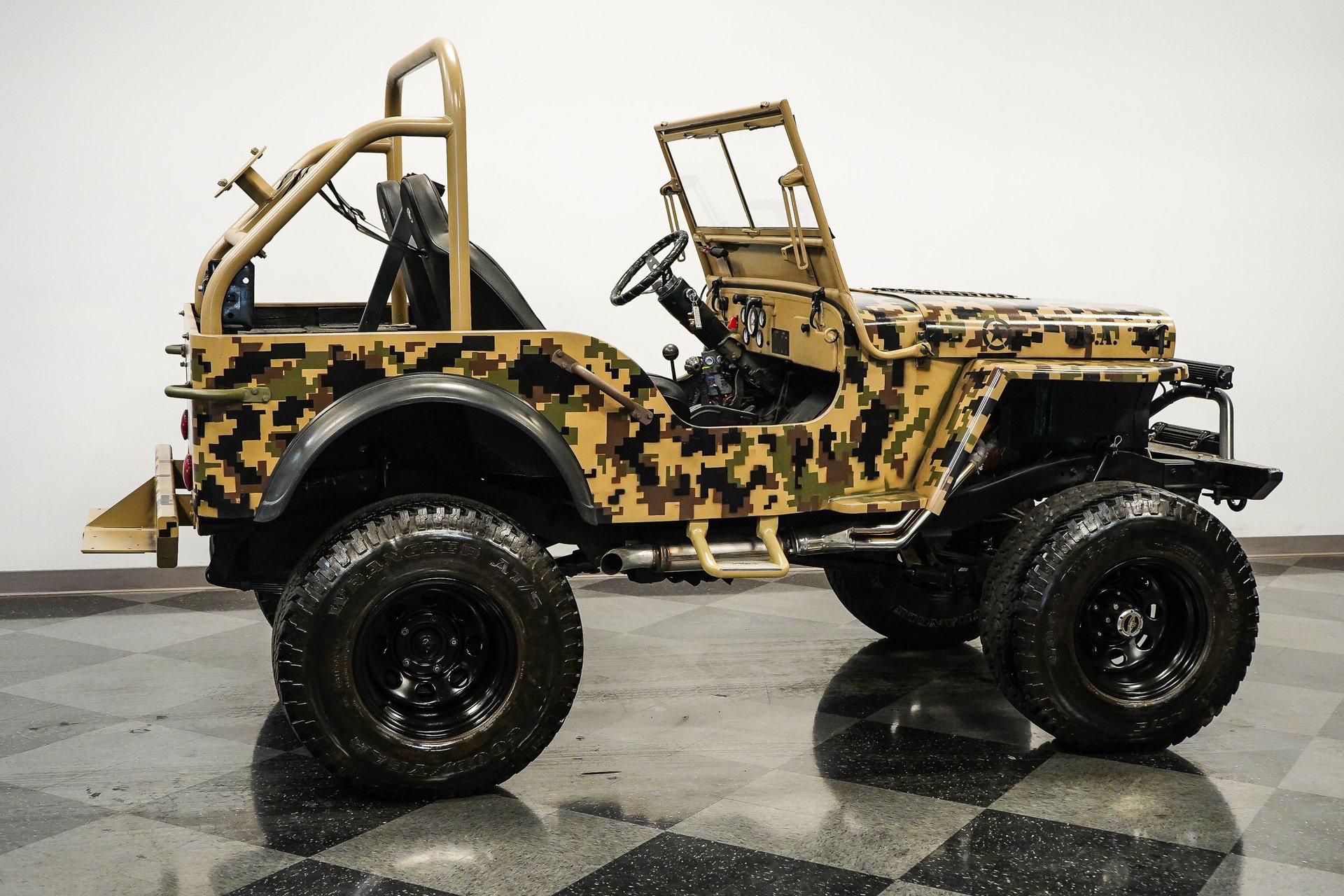
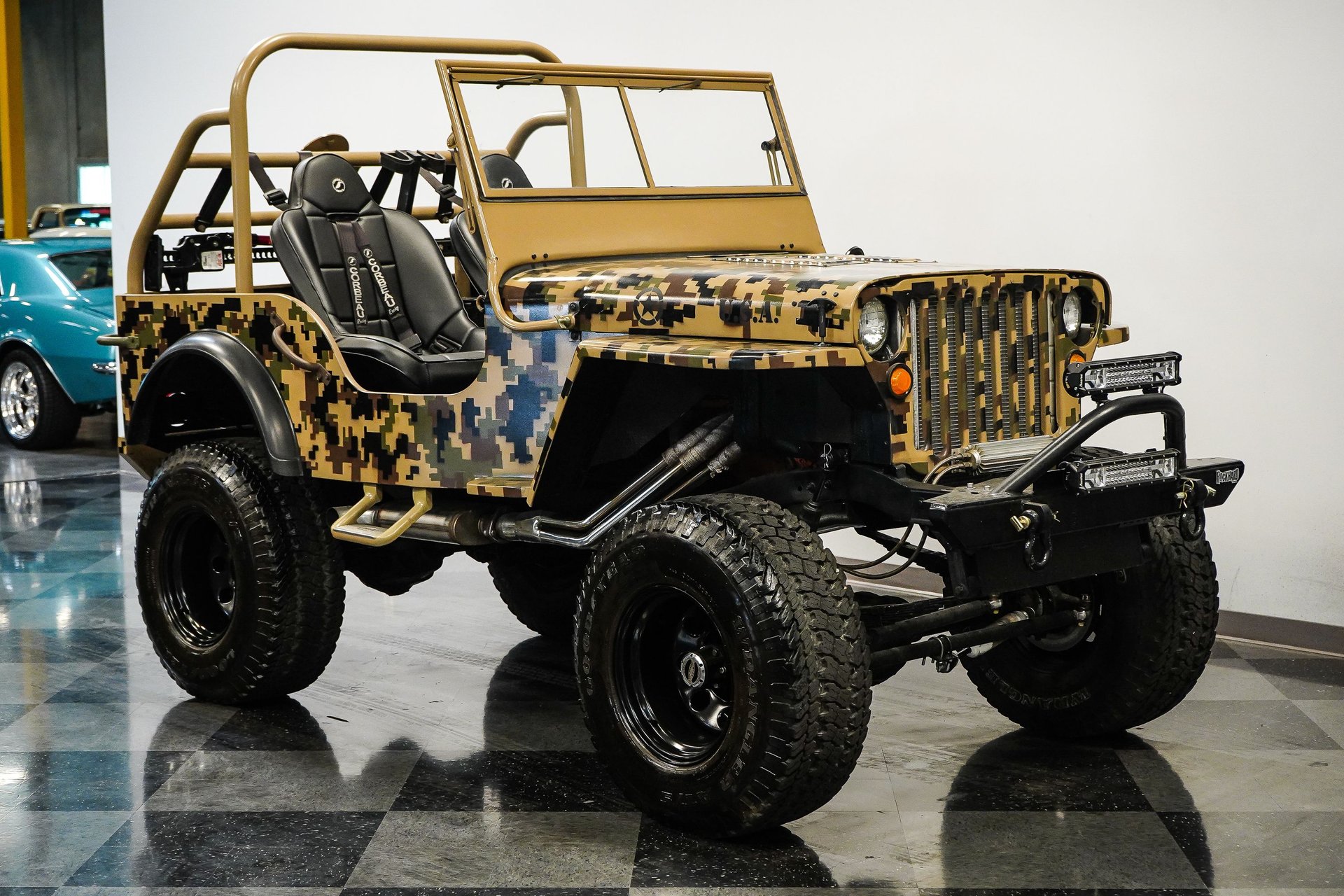
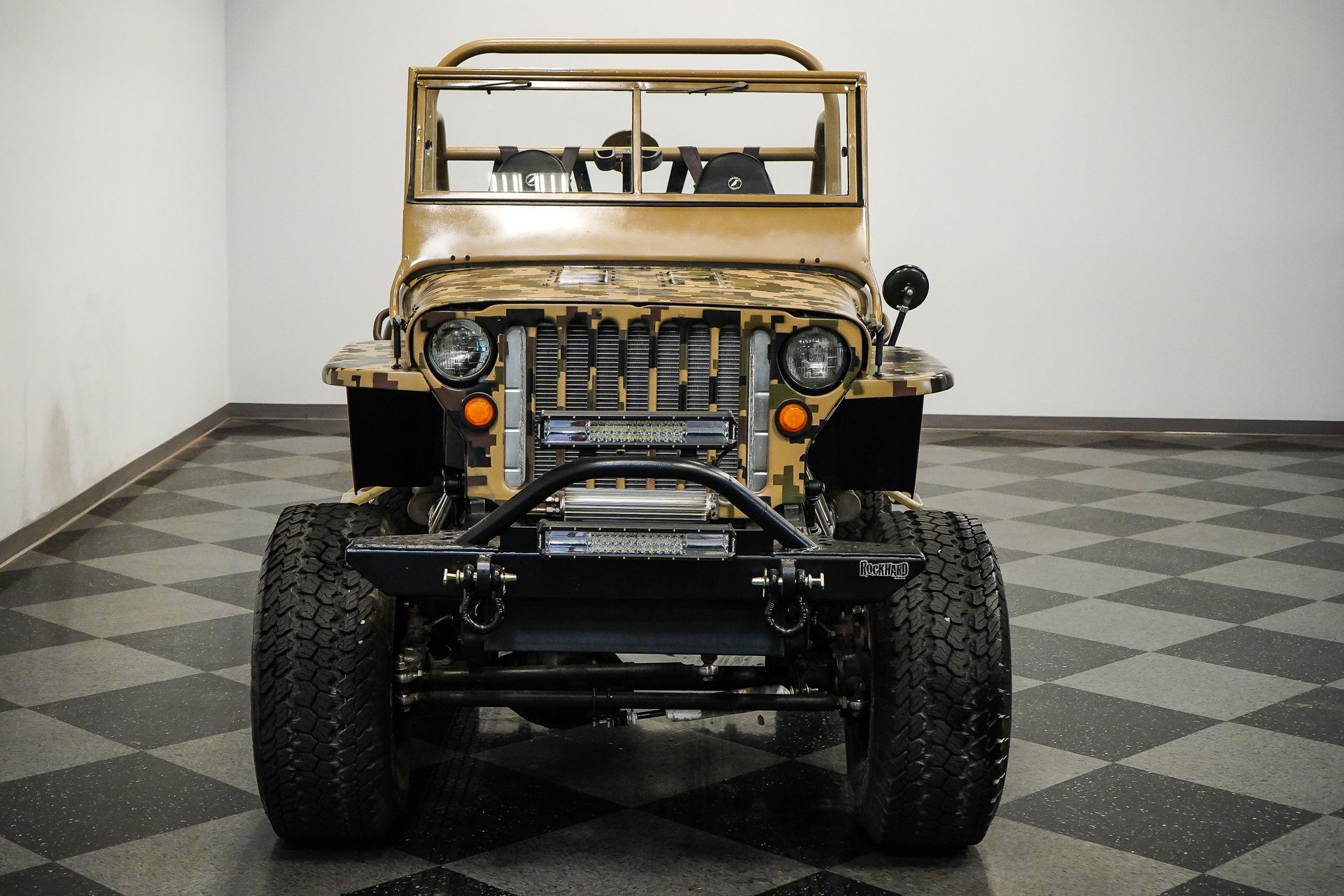
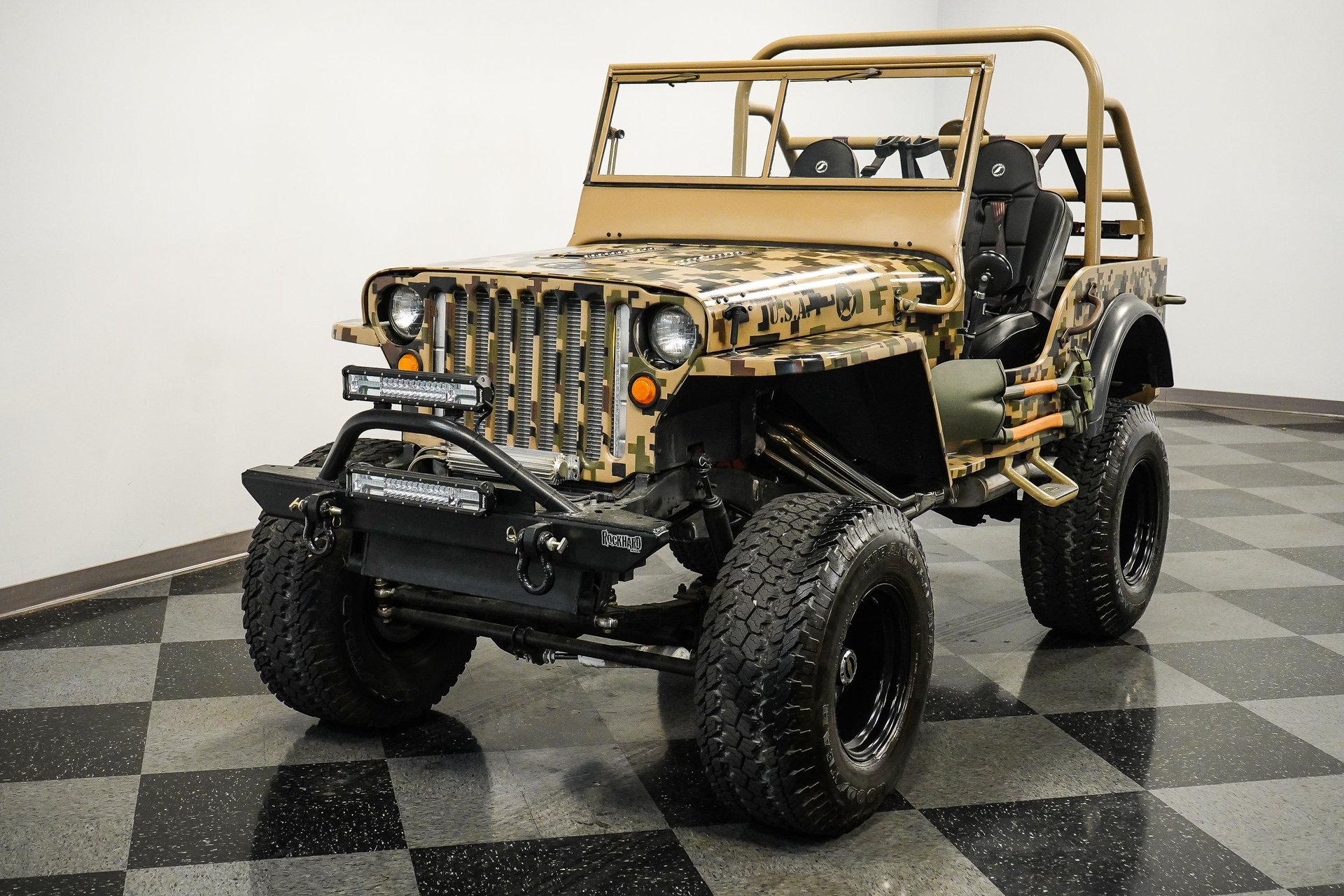
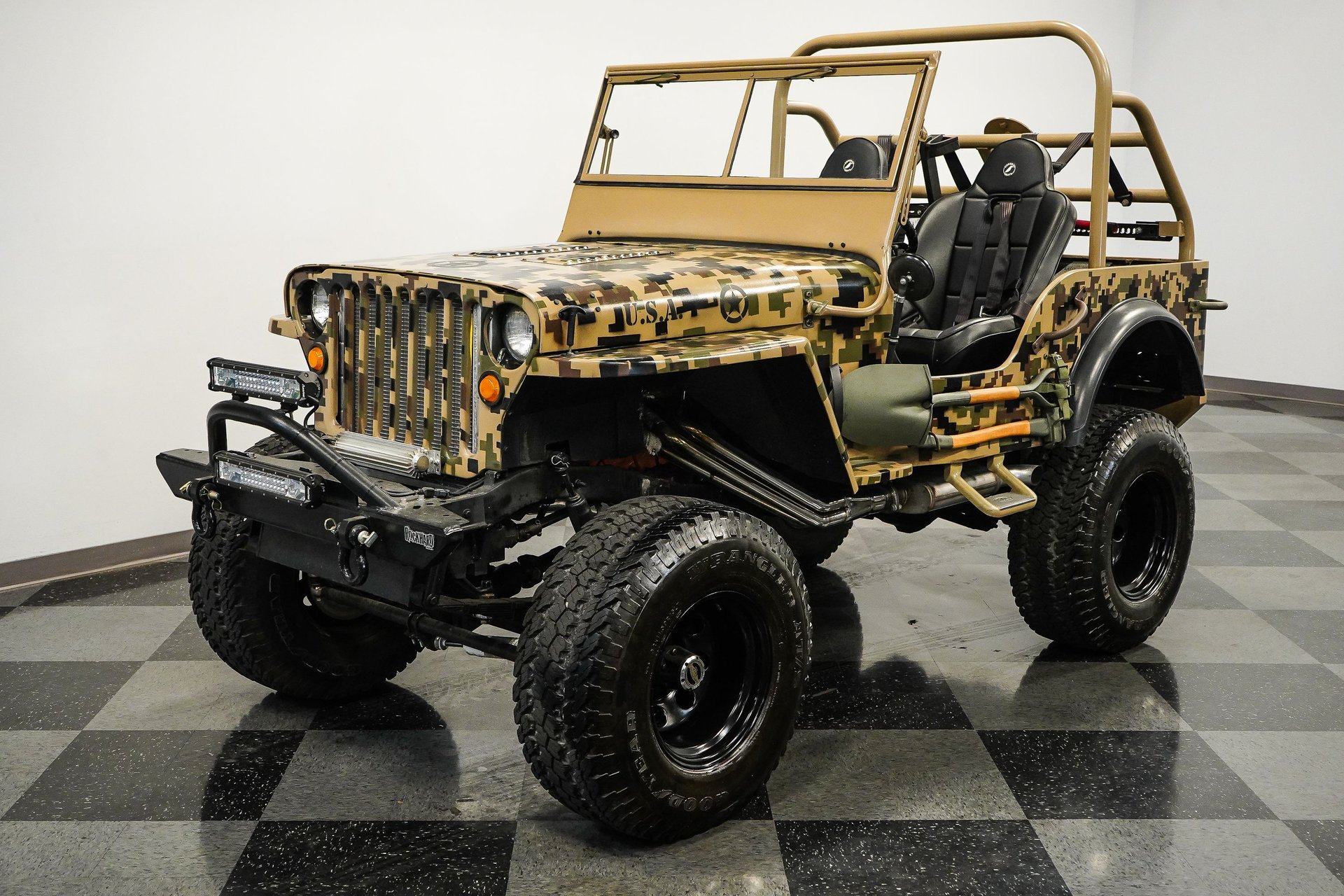
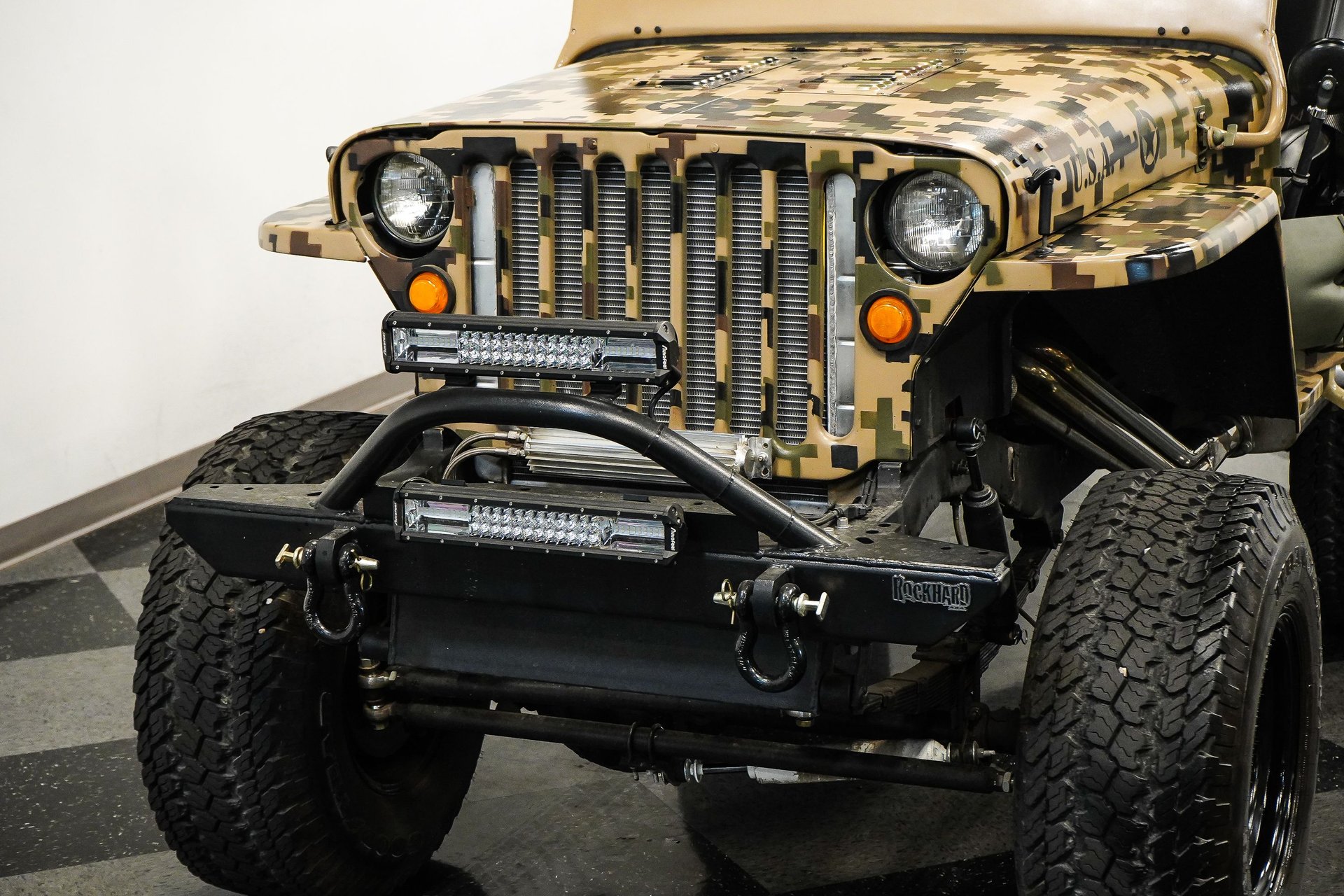
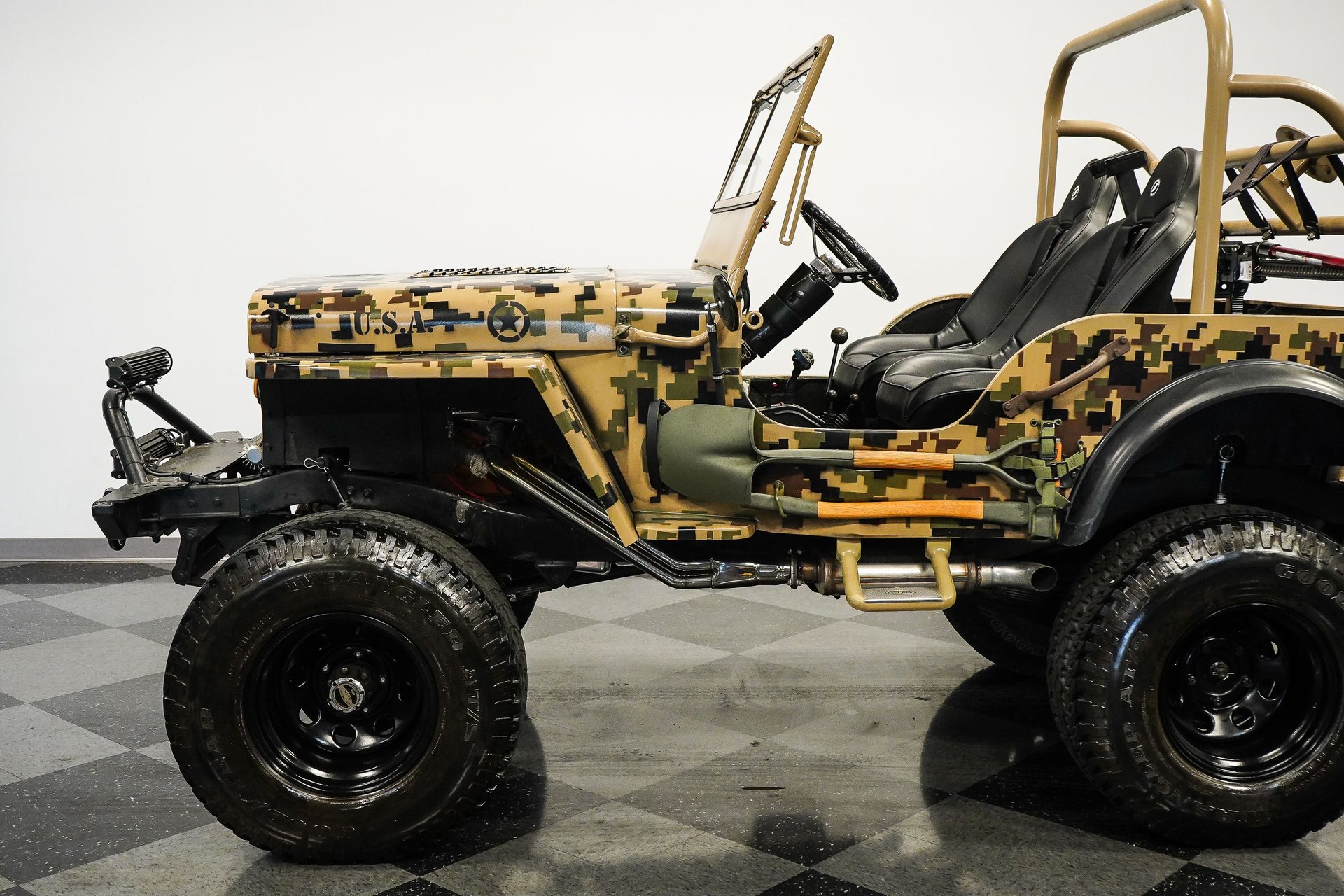
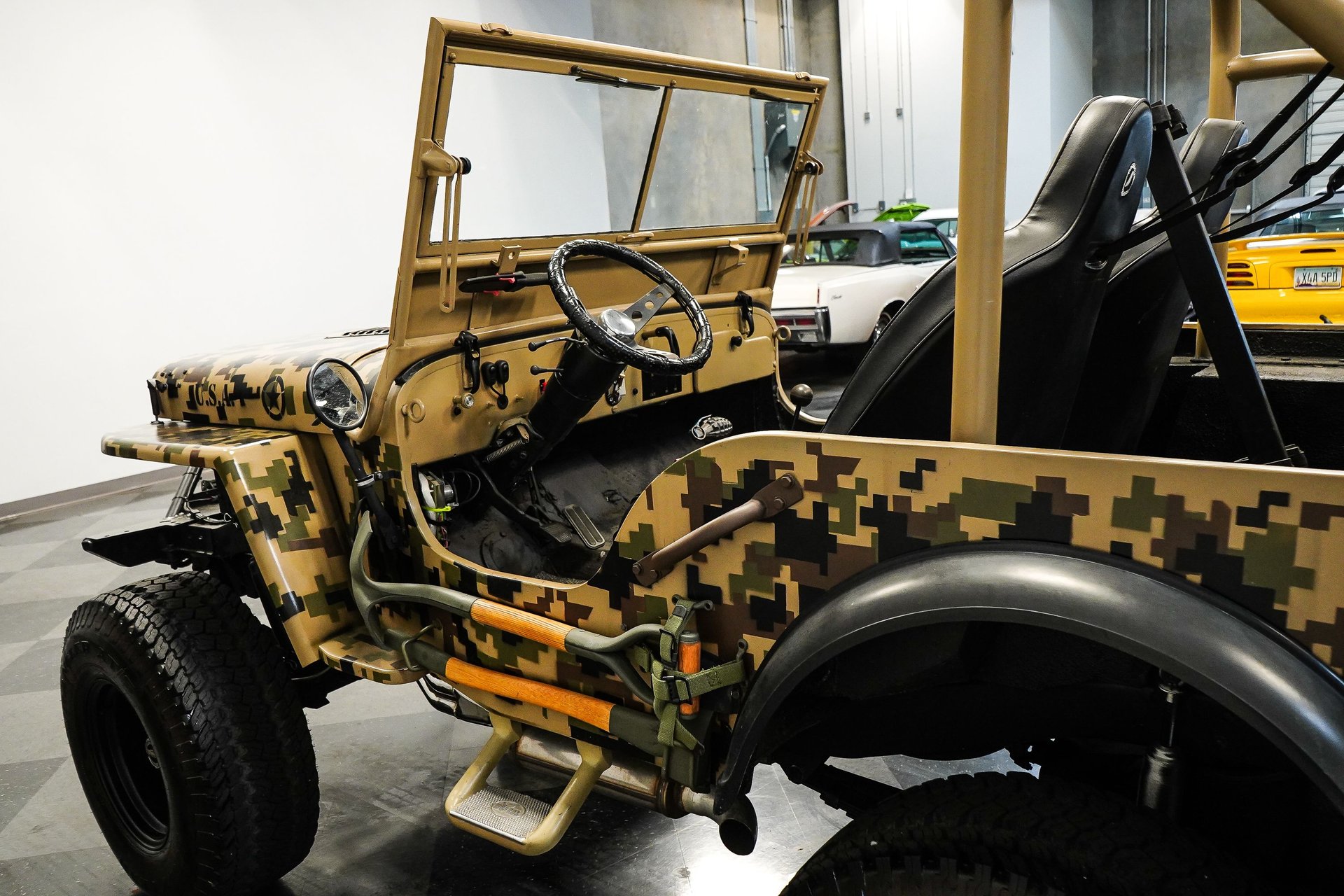
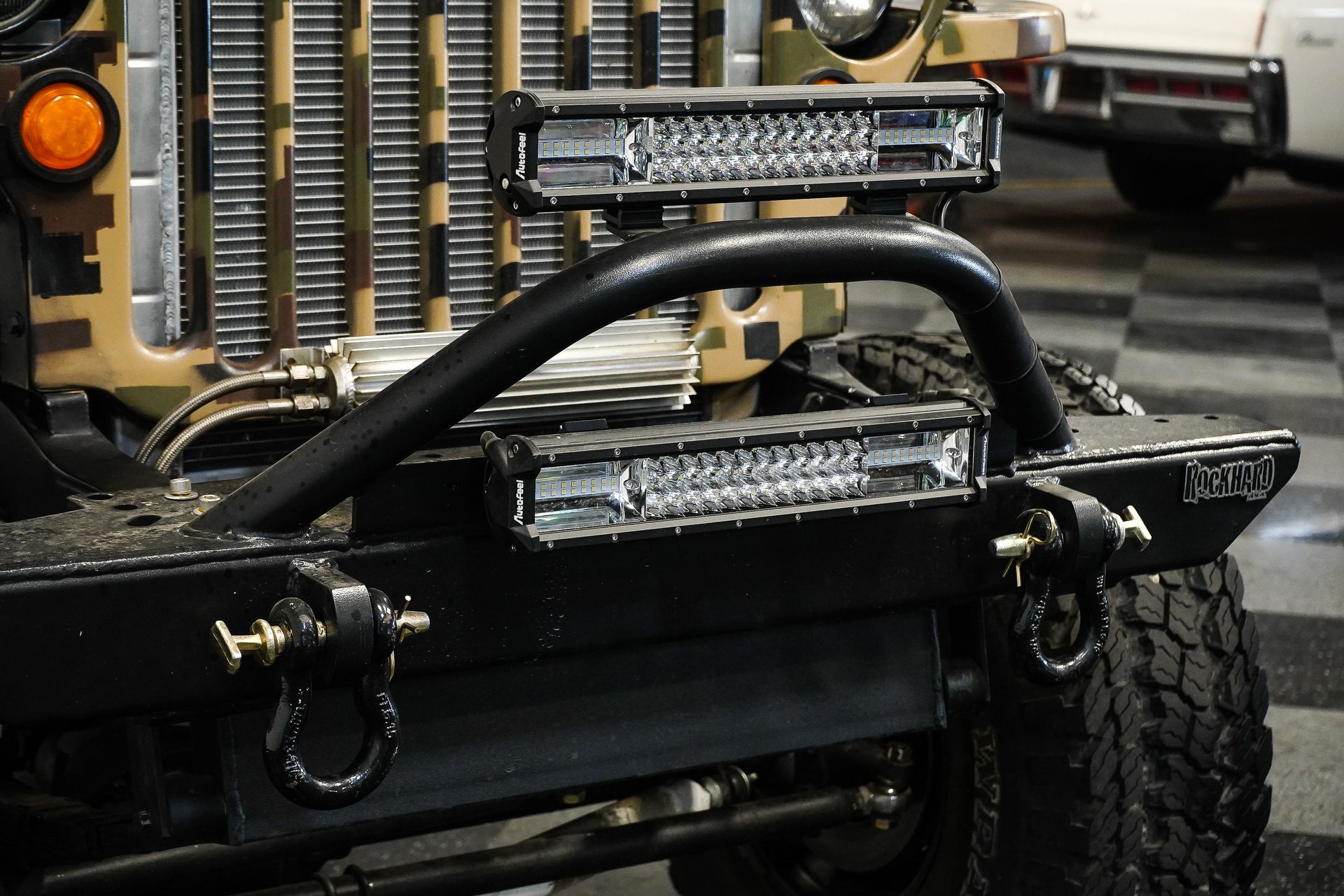
- Digital camouflage paint
- RockHard front bumper with push bar, tow hooks, and dual light bars
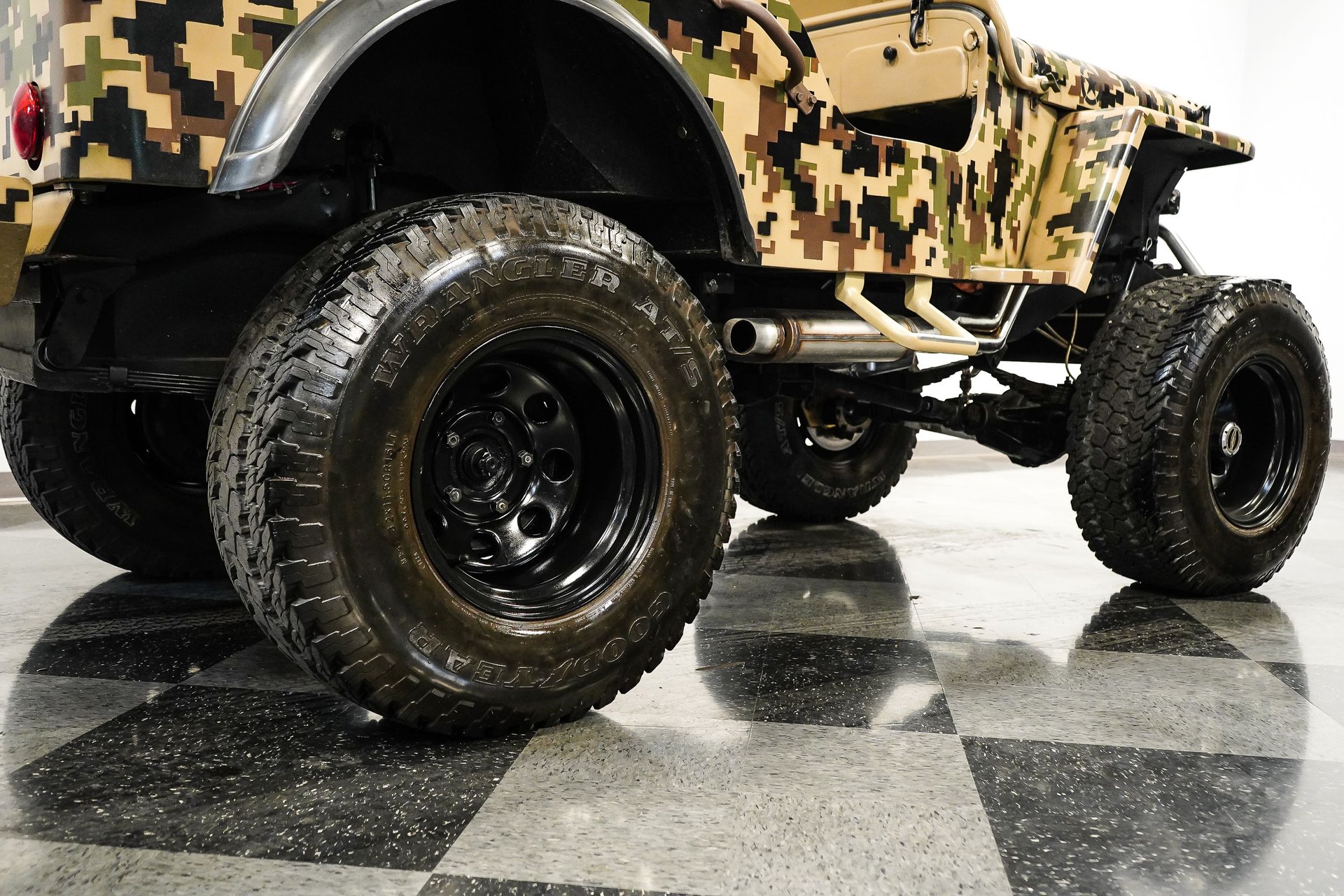
- Lifted suspension
- Axe and shovel kit
- Custom trailer hitch
- Jerry-can mounting plate
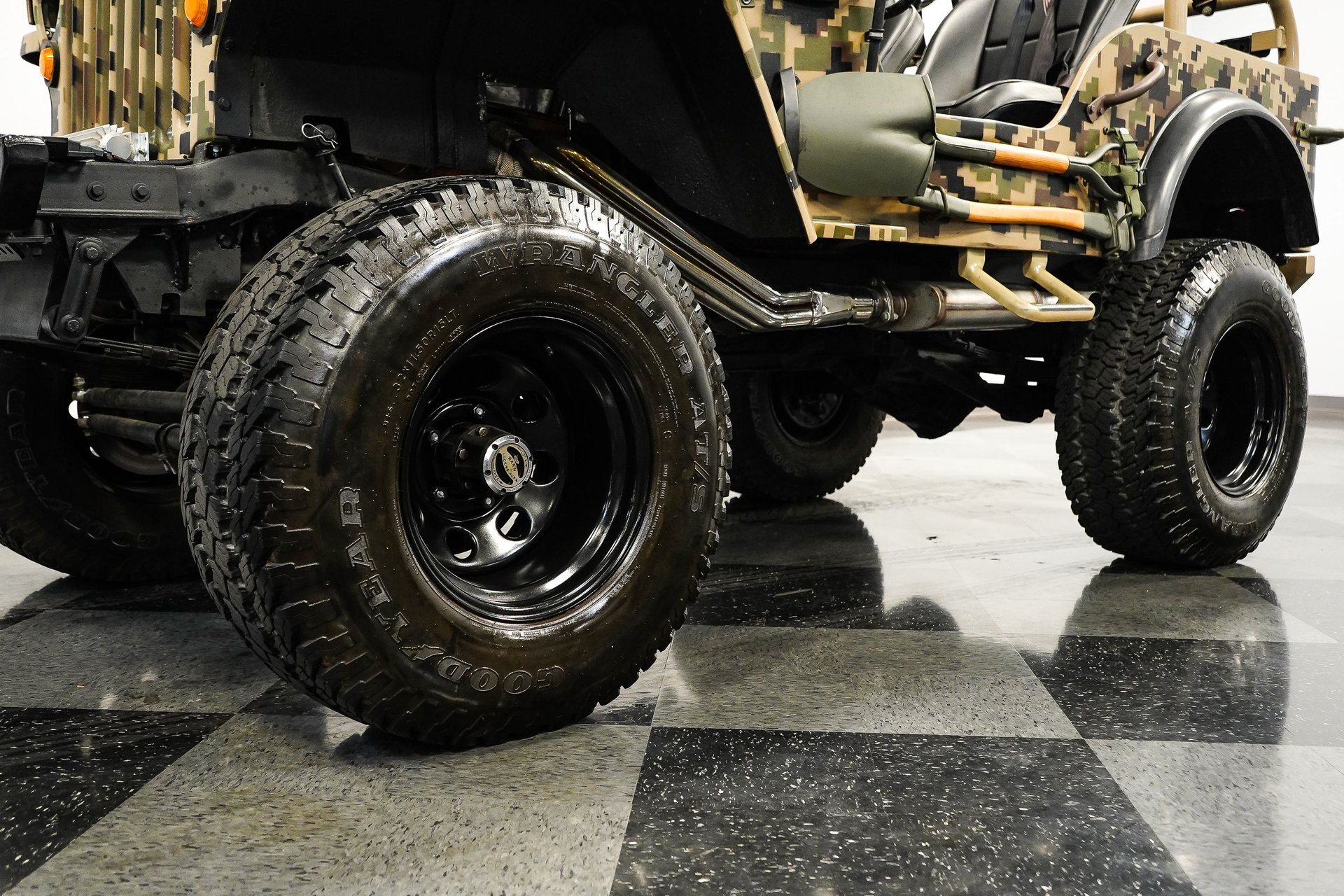
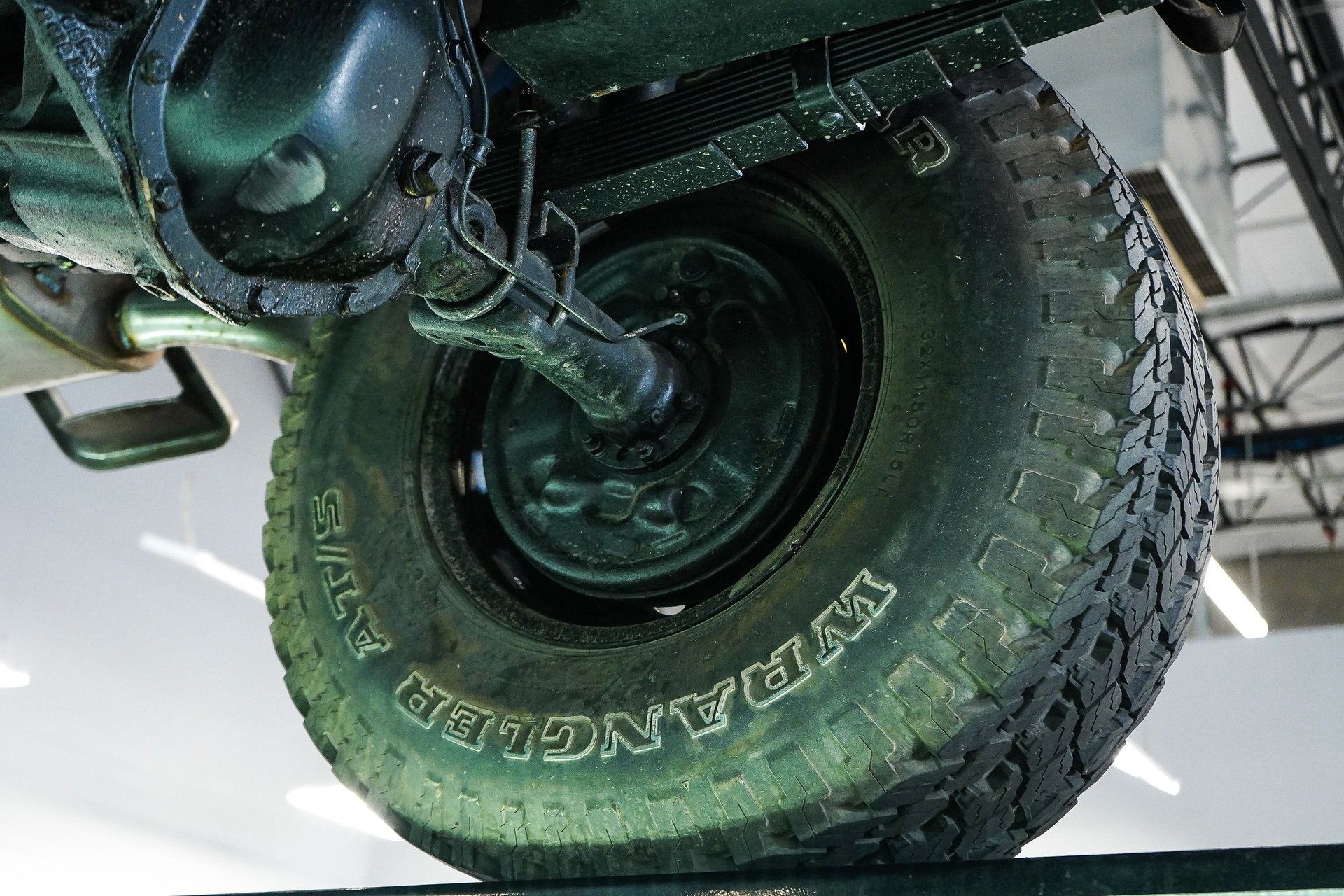
- 32 × 11.5-inch Goodyear Wrangler tires
- 15-inch black steel wheels
This Vehicle Has Sold
Shop a wide selection of rare, classic, and custom pickup trucks and 4×4s currently available on Fourbie.
Shop Now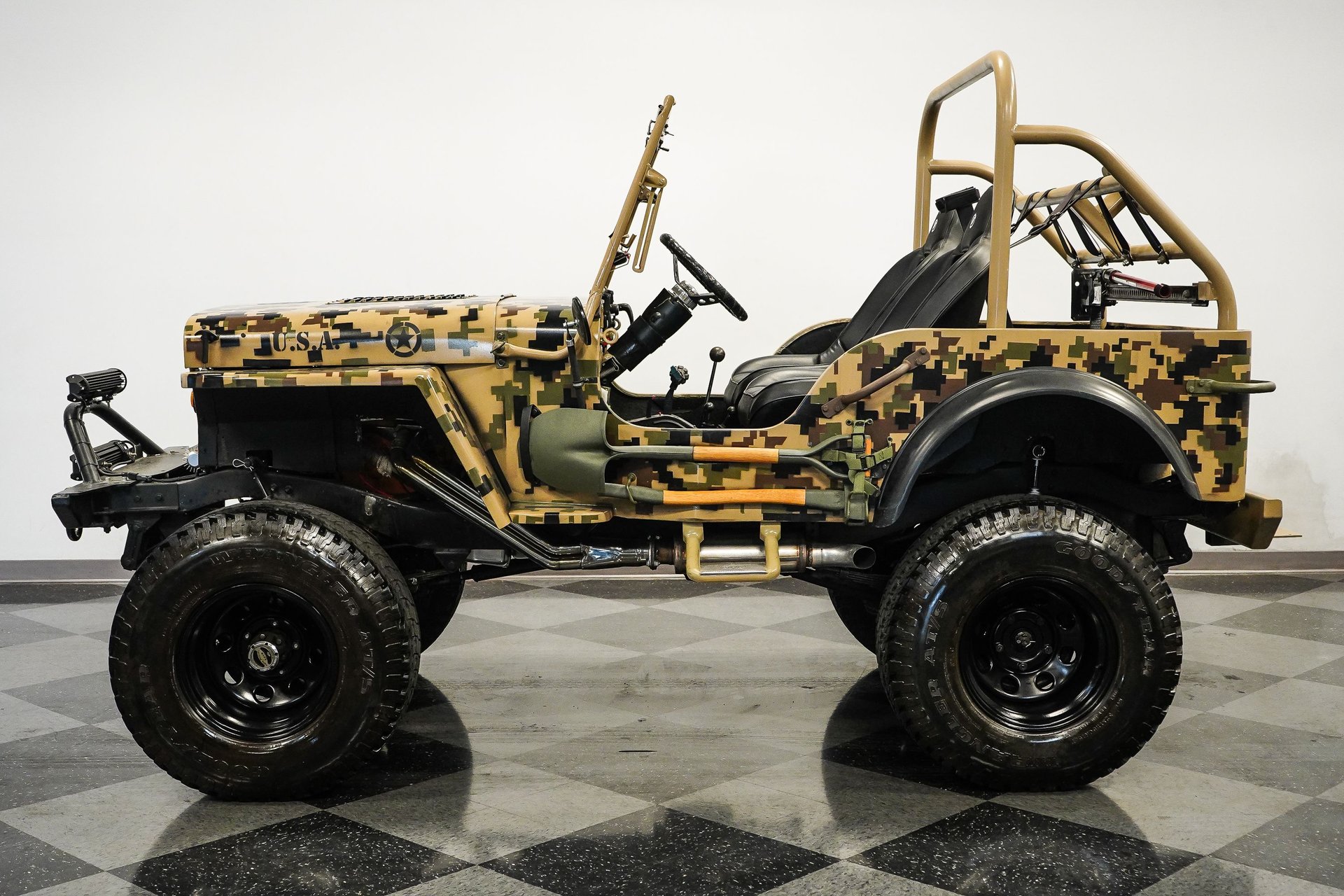
This Vehicle Has Sold. Explore Similar Listings
Similar trucks and 4×4s currently available on Fourbie
 FEATURED
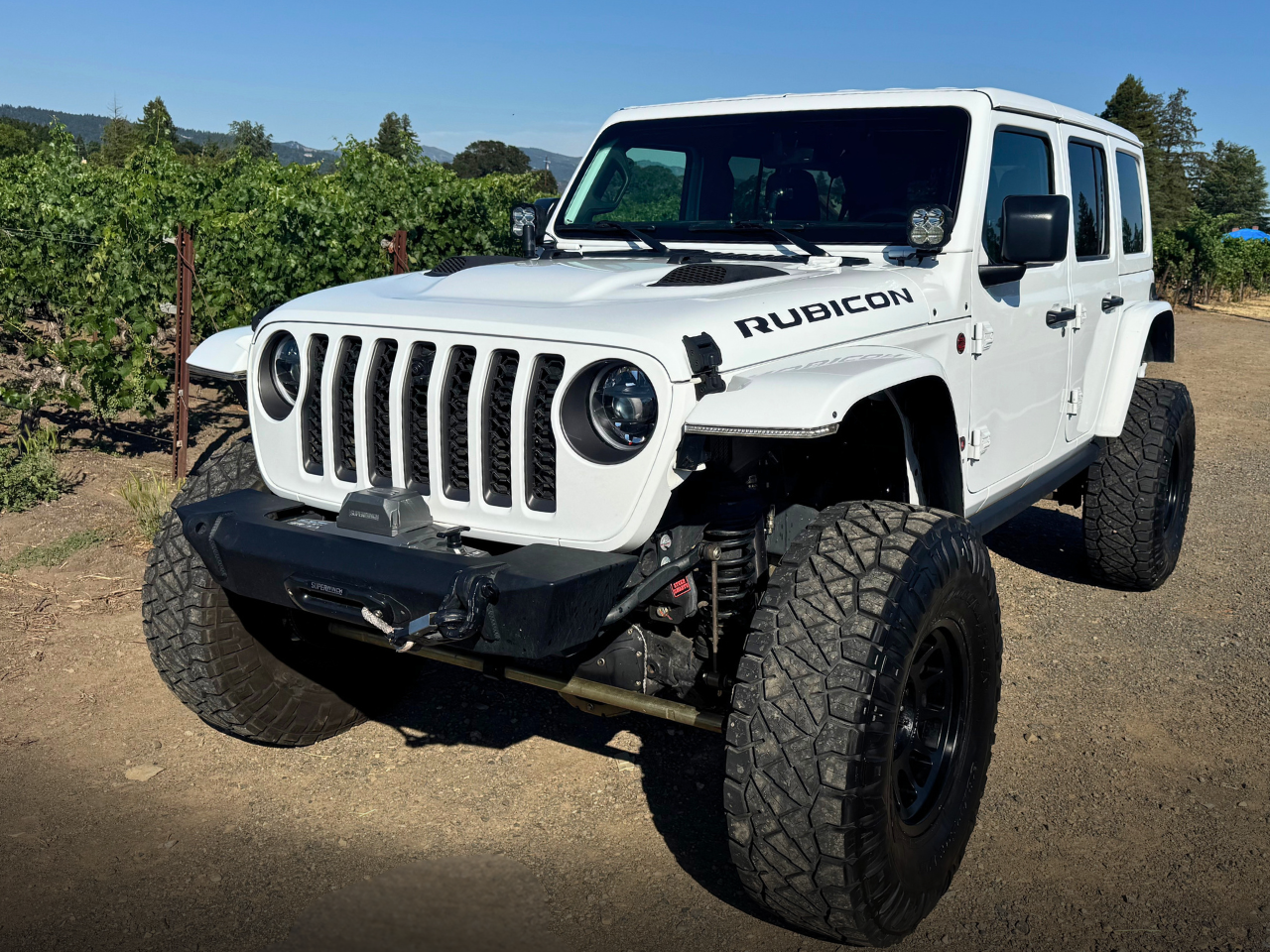
$15,900
Alpharetta, GA2012 Jeep Wrangler Sport
 FEATURED
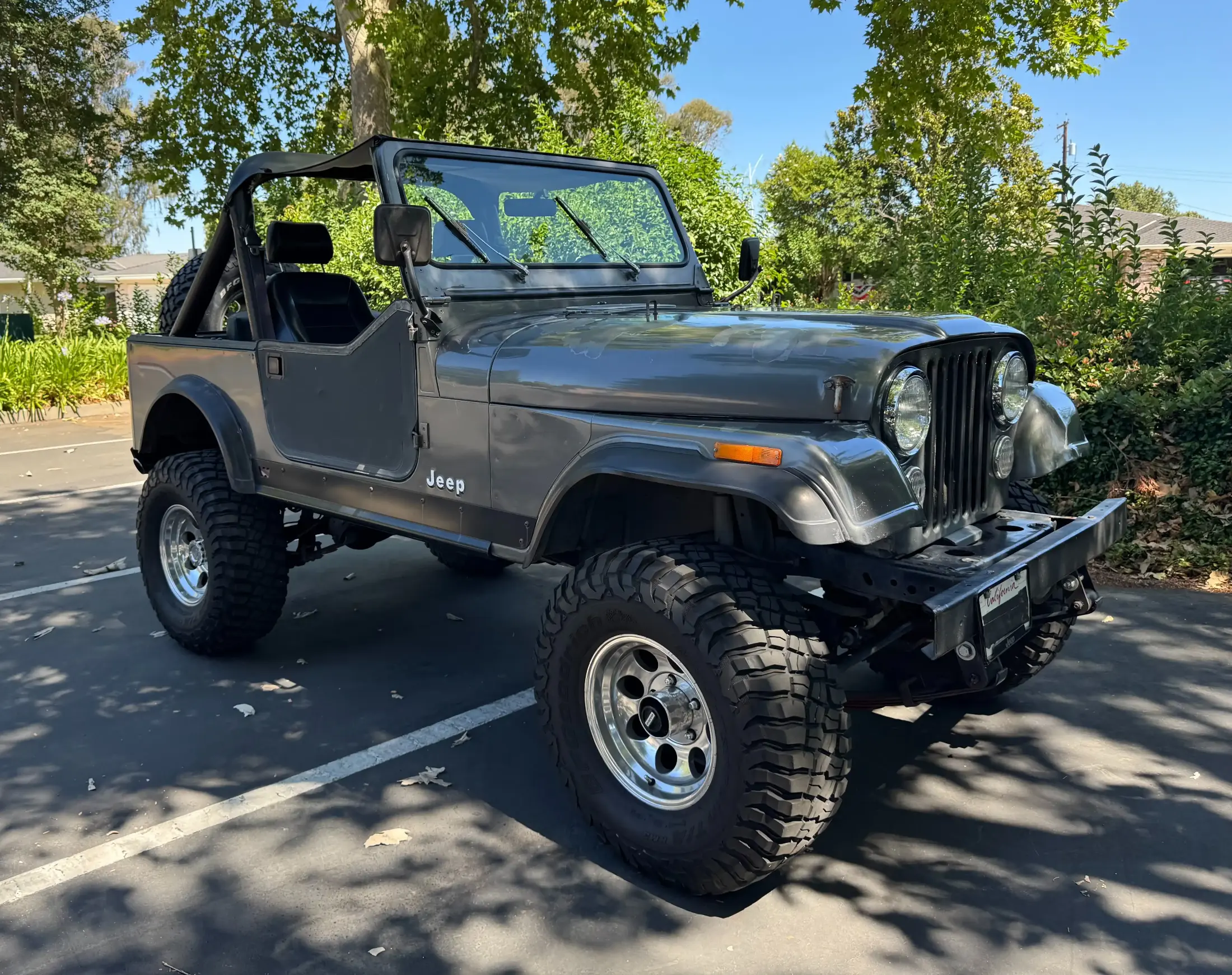
$18,000
Sacramento, CA1986 Jeep CJ-7

Fast & Easy Auto Loans
Fourbie and LightStream have teamed up to provide financing options for your 4x4 purchase.

Secure Pay & Title Transfer
KeySavvy makes it safer and easier to buy and sell cars with secure pay and title transfer.
Partner services are offered by Fourbie Exchange. When you choose to use their services, we may receive a commission at no extra cost to you.
This page contains information provided by the seller. Sellers are required to submit information that is true and correct. We have not independently verified the information or details about any vehicles for sale. By using this page, including inquiring via the form on this page, you accept the terms of our Terms of Use.
Suspect fraud or inaccurate details? Let us know.